

“It’s Coming From Inside” | Weidel, Orbán & Stephen Miller Warn The West
Europe’s political debate is increasingly centered on a difficult question: how much authority should remain with national governments, and how much should be exercised through European institutions? Recent arguments from nationalist and conservative leaders place sovereignty, border policy, economic regulation, media trust, public safety, and the war in Ukraine at the center of that dispute.
The case made by Alice Weidel, Viktor Orbán, and Stephen Miller is not a single policy platform. It is a broad political critique of established institutions and parties, framed around the belief that Western democracies face their most serious challenges from internal decisions rather than foreign adversaries. Their arguments are influential in a wider European environment where parties campaigning on national control and opposition to Brussels have gained attention.
National sovereignty has become a defining theme for several European political movements.
What does political sovereignty mean in the European debate?
National sovereignty refers to a country’s ability to make major decisions through its own elected institutions. In the current European debate, that idea is often applied to immigration, border administration, industrial policy, taxation, energy, cultural policy, and foreign affairs. Supporters say these issues should be decided primarily by national electorates and governments.
Critics of deeper European centralization argue that decision-making can become too remote when it moves from national parliaments to EU-level institutions. They contend that voters may feel disconnected from decisions affecting taxes, regulations, border rules, and domestic industry. Supporters of EU coordination, by contrast, generally argue that cross-border problems require shared rules and institutions. The sovereignty argument therefore concerns both power and democratic accountability.
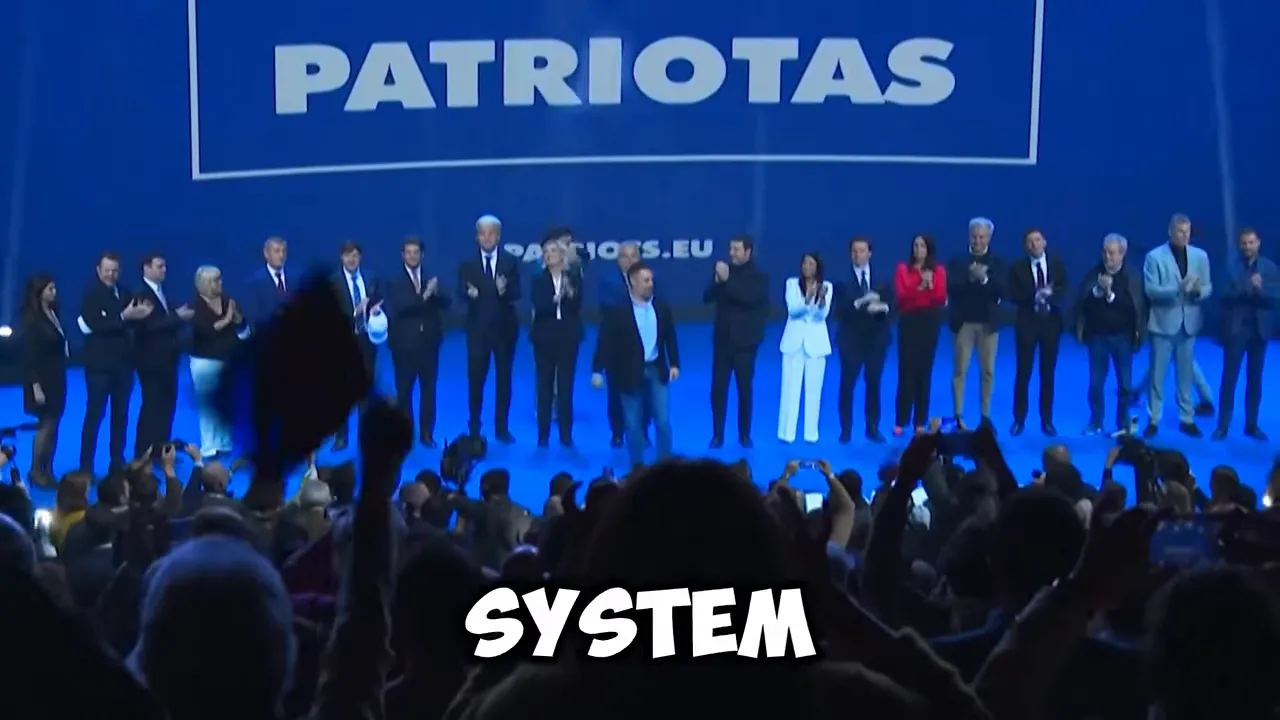
Why are anti-establishment parties gaining support?
Nationalist and patriotic parties have presented their growth as a response to dissatisfaction with established center-left and center-right parties. Their message commonly combines stricter migration policies, stronger borders, family-oriented social values, reduced regulation, lower taxes, and resistance to what they describe as a Brussels-centered political system.
In these arguments, migration is treated as a major test of government competence and national self-determination. Advocates say governments must retain meaningful control over borders and openly address social pressures associated with large-scale migration. These claims are politically consequential, but broad claims about crime, social cohesion, and cultural change require careful evidence and should not be used to assign blame to people on the basis of background alone.
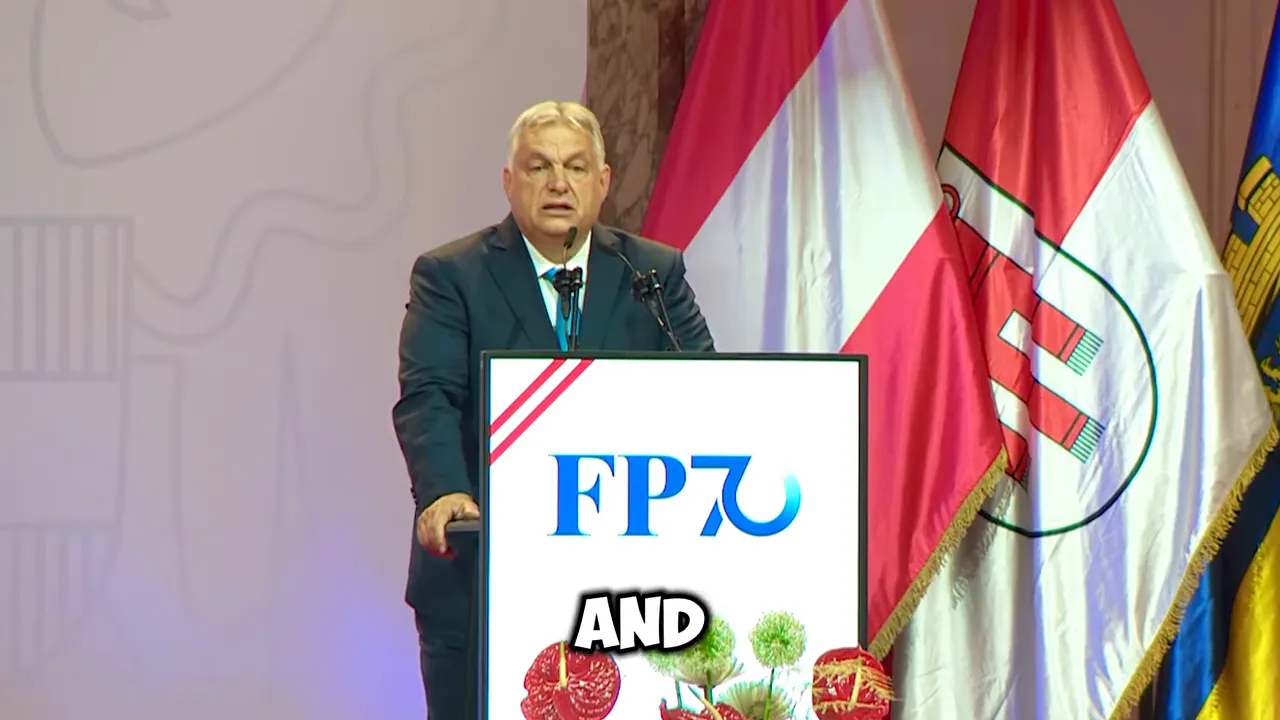
The economic case against bureaucracy and high energy costs
Economic policy is another major part of the sovereignty argument. Orbán’s position emphasizes factories, entrepreneurs, trade, productive capacity, affordable energy, lower taxes, and less regulation. The underlying claim is that Europe’s economic strength depends on its ability to manufacture, compete, and reward businesses that create employment and investment.
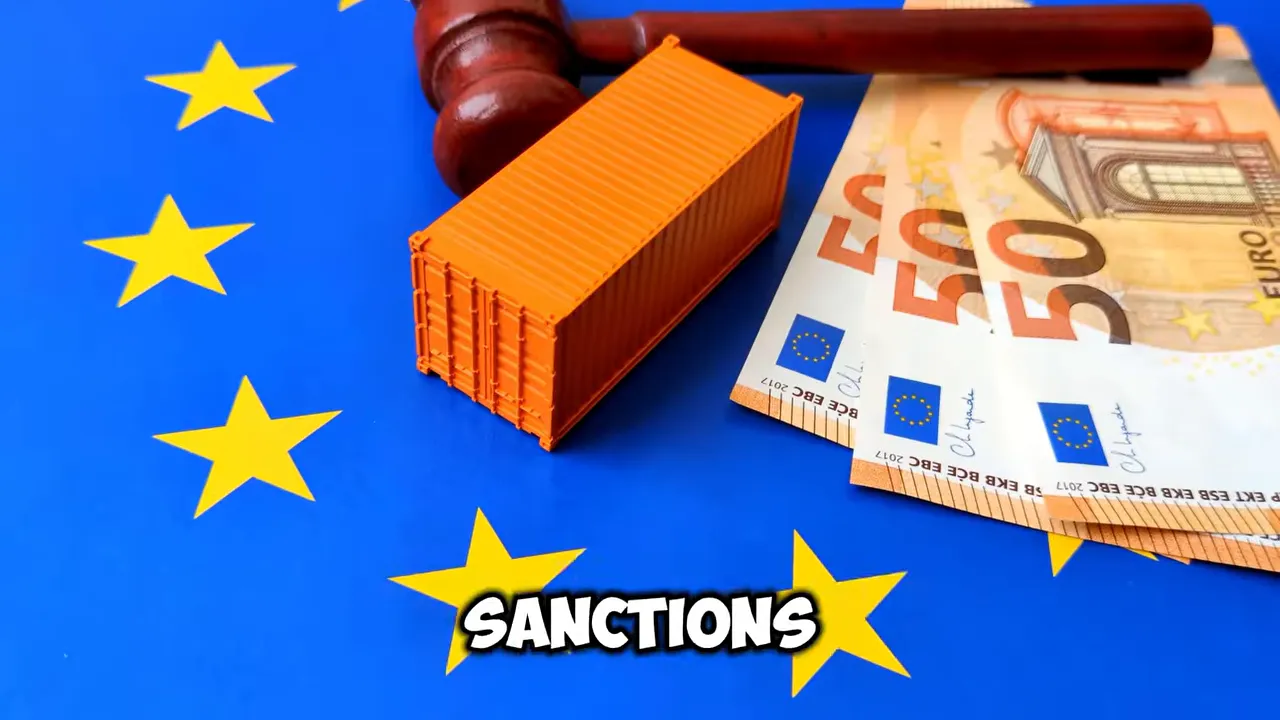
Those making this case argue that sanctions, regulatory burdens, and energy costs have harmed European competitiveness. The practical concern is easy to understand: when compliance costs or energy bills rise, manufacturers and small businesses can face difficult investment decisions. The political disagreement lies in how to balance competitiveness with environmental rules, shared EU standards, and strategic goals that may require short-term costs.
Media trust and the demand for transparent information
Another recurring concern is whether citizens receive enough reliable and politically diverse information to make informed decisions. Weidel argues that media institutions have a democratic responsibility to provide transparency and accurate reporting, and that public confidence suffers when news organizations appear to protect a political agenda.
Media bias is a charged accusation, and it should not become a shortcut for dismissing reporting that is unfavorable to one side. A healthier standard is to ask whether reporting distinguishes fact from opinion, identifies sources, corrects mistakes, includes relevant context, and gives audiences enough information to assess competing claims. Media pluralism, editorial independence, and transparent standards can all strengthen democratic trust.
How political extremism fits into the argument
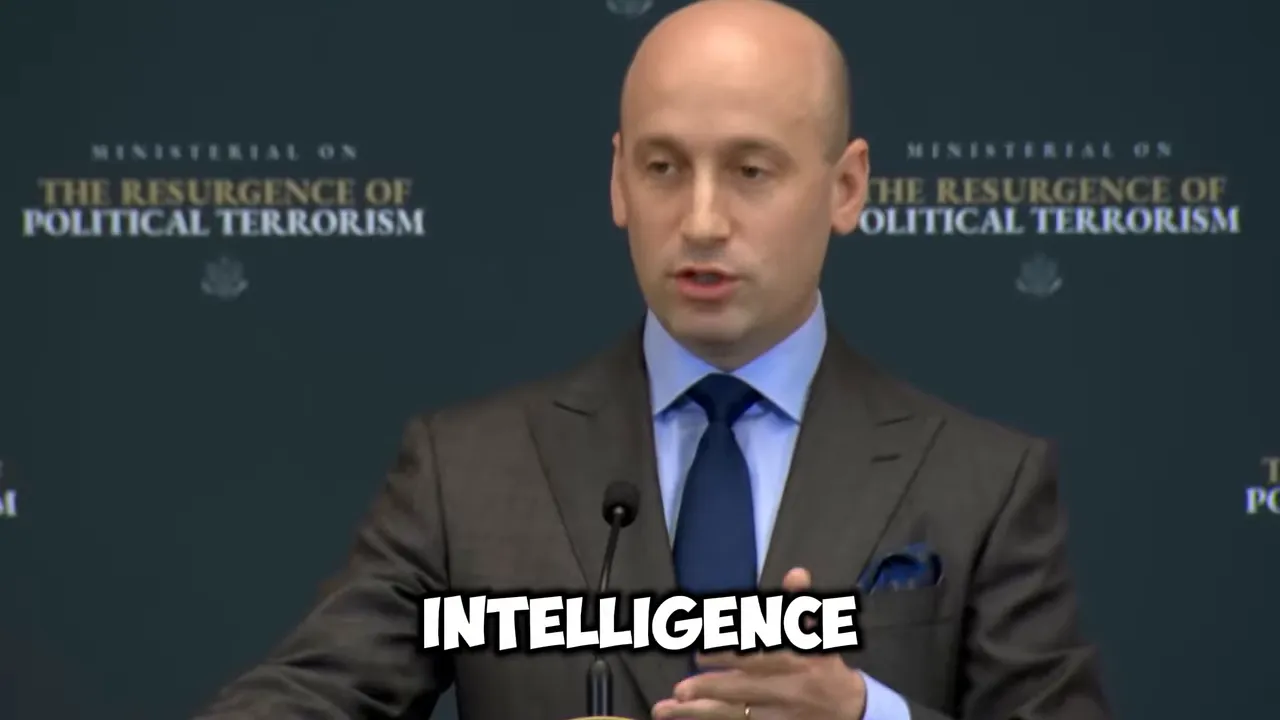
Miller’s remarks describe left-wing political violence as a serious threat and call for law enforcement and intelligence cooperation against extremist networks. He argues that political violence can be aided by organizations, funding systems, and information-sharing structures that operate beyond one country. The central policy proposal is stronger coordination among institutions responsible for public safety.
Public safety efforts face an essential democratic limit: violent conduct, threats, and criminal coordination should be investigated under the law, while peaceful protest, association, and political dissent remain protected rights. Treating every ideological opponent as a security threat weakens that distinction. Effective institutions need evidence-based enforcement, judicial safeguards, and clear boundaries between violent extremism and lawful political expression.
Why peace negotiations have become a sovereignty issue
On Ukraine, Orbán’s argument focuses on the economic and security costs borne by Europeans and the need to prevent a wider conflict. He calls for negotiations and presents peace as a primary duty of European leaders. This position links foreign policy to domestic concerns about security, energy prices, spending, and the limits of European involvement in war.
Debates over peace negotiations are especially complex because they involve the sovereignty of Ukraine as well as the security interests of European states. Calls for diplomacy can reflect a desire to reduce suffering and prevent escalation, but any durable settlement also raises questions about security guarantees, territorial integrity, and who has the authority to negotiate. Simplistic solutions do not resolve those competing obligations.

What the sovereignty movement says about democracy
A central complaint from these leaders is that political movements with significant electoral support can be marginalized through coalition arrangements, committee exclusions, or institutional barriers. Their argument is that democracy requires more than elections alone. It also requires that voters can see their choices represented in legislative deliberation and public debate.
At the same time, democratic systems routinely rely on coalitions, constitutional limits, independent courts, and minority protections. An election result does not automatically give any party unrestricted authority. The stronger democratic test is whether rules are applied consistently, institutions are transparent, opposition parties can compete fairly, and citizens have meaningful opportunities to change governments through peaceful elections.
Key takeaway: sovereignty is a debate about power, trust, and accountability
The growing sovereignty debate is about more than national flags or opposition to Brussels. It is a contest over who makes decisions, whose priorities are reflected in policy, and how institutions retain public legitimacy. The themes of borders, energy, manufacturing, media credibility, security, and war continue to give the debate broad political force.
For citizens, the most useful approach is to separate broad political rhetoric from specific policy questions. Ask what power is being transferred, what problem the policy is meant to solve, what evidence supports it, what trade-offs it creates, and what safeguards protect democratic rights. Those questions make it possible to evaluate competing visions of Europe without reducing a complex political landscape to slogans.


What has the eu ever done for me? It has increased my costs by over 100% in 5 years. It has restricted my freedom of speech. It has flooded my country with illegal immigrants. It has killed off business through green policies. It has abused my democratic rights and refused to allow me to vote them out of power. It is killing me, my family and my country . It is a vile dictatorship and will fall but at huge cost to us all but at jeadt we will not have to find the money for the huge pensions required by the bloated Brussels bureaucracy