

Europe, Geert Wilders argues, is facing a turning point. His warning is blunt: nations that abandon sovereignty, weaken their borders, and lose confidence in their own culture eventually stop functioning as free nations at all.
His case is built around a few core claims. A democracy needs a dominant national culture. It needs borders, sovereignty, and a shared identity. It cannot survive, he says, if political elites continue to encourage mass immigration without demanding integration, while dismissing public concern as xenophobia or racism.
Sovereignty, identity, and the role of a dominant culture
Wilders begins with first principles. In his view, democracy is not just a voting mechanism. It is rooted in a nation that knows what it is. That means a flag, a sovereign state, defined borders, and a public culture strong enough to hold a country together.
He says Europe has spent decades moving away from that model. In its place, he sees multiculturalism and cultural relativism taking hold. The result, he argues, is a political class that treats all cultures as interchangeable and no longer defends the civilizational foundations of European countries.
For Wilders, those foundations come from values shaped over centuries by Christianity and Judaism. He presents those values as the basis for freedom, order, and democratic life in Europe, and says they should remain the standard to which newcomers are expected to adapt.
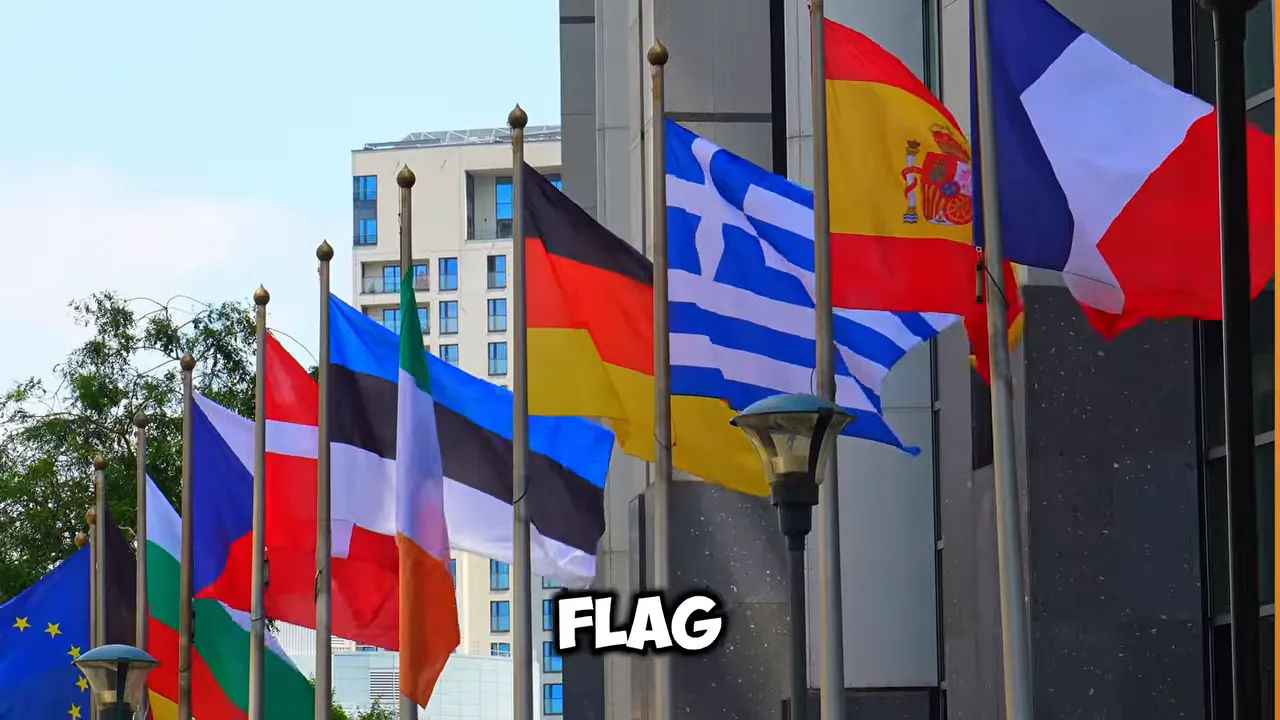
That argument leads directly to one of the strongest themes in his remarks: many citizens, he says, do not feel hatred toward outsiders, but they do feel that their own country is slipping away. They see governments spending heavily on asylum systems while social services, healthcare, and pensions come under pressure. In his telling, the anger this produces is not irrational but understandable.
Why demographic change in major cities matters to him
Wilders points to the Netherlands as an example of what he believes is happening across much of Western Europe. He says that in Amsterdam, Rotterdam, and The Hague, people of non indigenous background now form the majority. His conclusion is that this is not a marginal shift but a transformation of the social character of the country’s largest urban centers.
He describes a growing sense among many residents that they are becoming strangers in their own neighborhoods. In parts of Western Europe, he says, the cultural atmosphere no longer feels recognizably Dutch or European. He contrasts this with Eastern Europe, which he presents as less changed because it accepted fewer migrants from Islamic countries.
He also frames this demographic argument in religious terms. He warns that Islam is growing in influence and presents that growth as a long term civilizational challenge. His broader point is that the issue is not only numbers, but the type of social order that emerges when migration occurs on a large scale without cultural assimilation.
The asylum crisis as he sees it
On migration, Wilders argues that European governments have lost control of who enters their countries and on what basis. He says the Netherlands receives around a thousand arrivals a week and contends that many should not be classified as genuine asylum seekers because they have already passed through several safe countries before reaching Dutch territory.
That matters in his reasoning because asylum, as he presents it, should be tied to immediate flight from danger, not destination shopping across Europe. If someone traveled through multiple safe states before arriving in the Netherlands, he says, the moral and legal case for admission is far weaker.
He is especially critical of the way governments provide housing, food, benefits, and social support to newcomers while failing to enforce integration or remove those who break the law. He portrays this as a self defeating system that rewards illegal entry and signals weakness.
His description of the crisis is not limited to the Netherlands. He casts it as a Europe wide problem, amplified by internal EU movement and by member states that, in his view, adopt lax admission policies that affect the entire continent.
Crime, public safety, and what he calls political betrayal
Wilders ties immigration directly to crime and public insecurity. He points to Dutch crime statistics and says that migrants or people with a migrant background are responsible for a large share of sexual crimes. He extends that argument to other countries, naming Sweden, Germany, and France as places where similar patterns can be found.
From there, he turns to Britain and cites claims made in a report presented by Rupert Lowe concerning the rape of British girls by Pakistani Muslim men. He treats this as evidence not only of criminal abuse, but of a larger political and institutional failure.
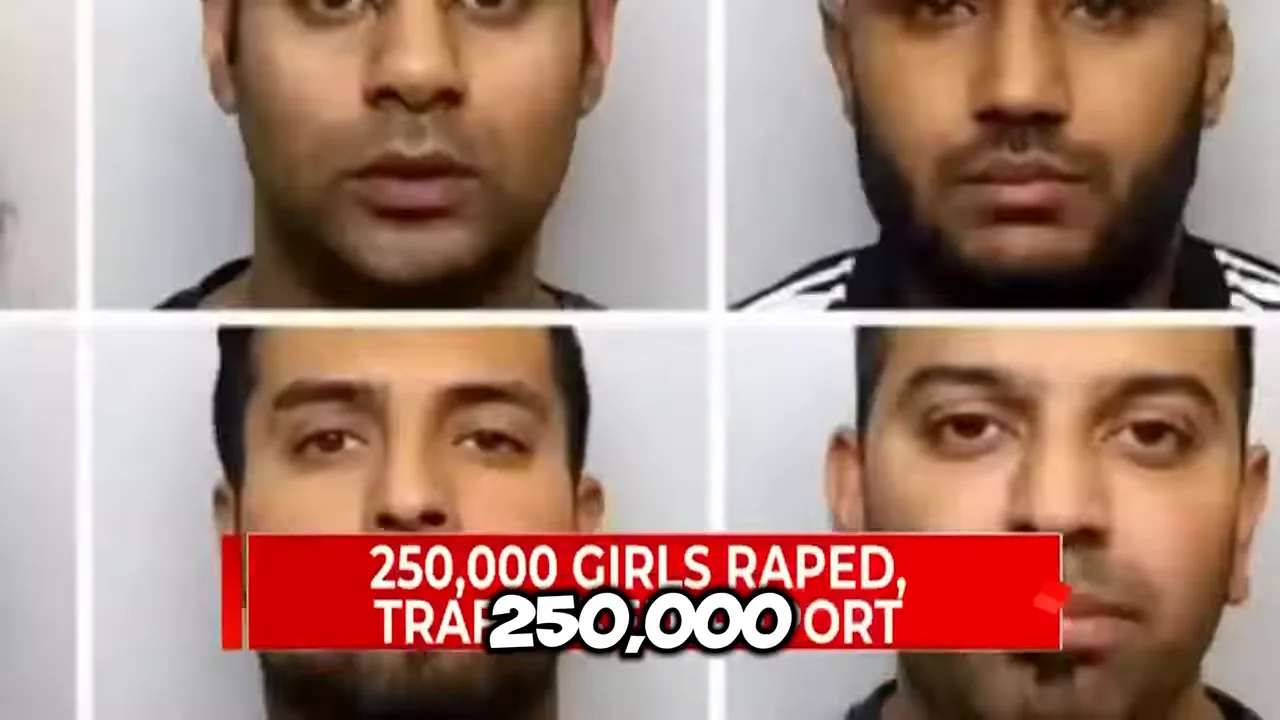
His language becomes even sharper at this point. Politicians who knew, saw warning signs, and still failed to act are accused of betrayal. The charge is not just incompetence. He casts it as something close to treason, because the state, in his view, abandoned its most basic duty to protect its own people.
He also says the issue was suppressed for too long by social and political taboos. Those who raised alarms, he argues, were dismissed as racists or xenophobes instead of being heard. That refusal to confront uncomfortable facts, he says, allowed the damage to deepen.
His argument about Islam as ideology
One of the most controversial parts of Wilders’ warning is his distinction between Muslims as individuals and Islam as an ideology. He says most Muslims are not criminals or bad people. At the same time, he argues that Islam itself is incompatible with freedom because, in his view, it contains doctrines hostile to individual liberty, especially for women and apostates.
He insists that Europe must stop being afraid to make that connection. As long as leaders refuse to identify Islam as a driving force behind certain cultural and criminal problems, he says, they will never address the root cause.
He describes this as more than a religious difference. He calls it the import of a belief system with medieval values, one that changes society for the worse if it becomes politically and demographically powerful enough.

To support the contrast, he points again to Eastern Europe. In cities such as Budapest or Warsaw, he says, women can move freely and safely in a way that he believes is increasingly under threat in Western Europe. That comparison is central to his broader thesis that migration policy has direct consequences for daily life, especially for public safety and women’s freedom.
The elite, cultural relativism, and political incentives
Wilders sees two forces working together, whether formally or informally. On one side, he places what he calls the left liberal elite in academia, media, and politics. On the other, Islamist movements and communities aligned with a totalitarian worldview. What links them, he says, is a shared hostility to dominant national cultures.
He argues that cultural relativism serves both camps. It weakens national confidence and makes it harder to defend clear standards of citizenship, integration, and public order. He also says there are practical political incentives involved.
In Rotterdam, he notes, municipal elections cannot be won without the Muslim vote. That means political leaders have little reason to distance themselves from groups whose support they depend on. As those voting blocs grow, he argues, the reluctance to confront these issues only intensifies.

Still, he says the political mood is changing. He points to the rise of populist and nationalist parties across Europe, including AfD in Germany, FPÖ in Austria, and Rassemblement National in France. He also refers to his own electoral success in the Netherlands as proof that public opinion is shifting.
His prediction is that once enough voters feel the consequences of migration and loss of identity directly, policy will change as well. National parliaments, governments, and perhaps Europe itself, he says, could move in a different direction.
Why he says anger matters
Wilders does not shy away from public anger. In fact, he defends it. Anger, he says, can be useful when polite silence has produced nothing. For decades, in his telling, people looked away, softened the language, or trusted institutions to solve the problem. The result was drift, denial, and worsening conditions.
He argues that facts still matter more than emotion, but he sees anger as a force that can finally push the issue into the open. That is why he welcomes parliamentary debates, public reports, and increasingly direct language around migration, crime, and security.
The underlying message is that change begins only when enough people stop accepting the official version of events and insist on naming what they believe is happening.
The policies he says Europe should adopt
Wilders offers a clear sequence of solutions. The first is to stop new illegal arrivals. He says deportation is of limited value if the borders remain open. In his view, the most important step is restoring national control over entry.
That means:
- Reinstating border controls
- Refusing entry to illegal migrants at the border
- Restricting family reunification where national law allows it
- Using sovereign powers within the EU to act even if wider European policy remains weak
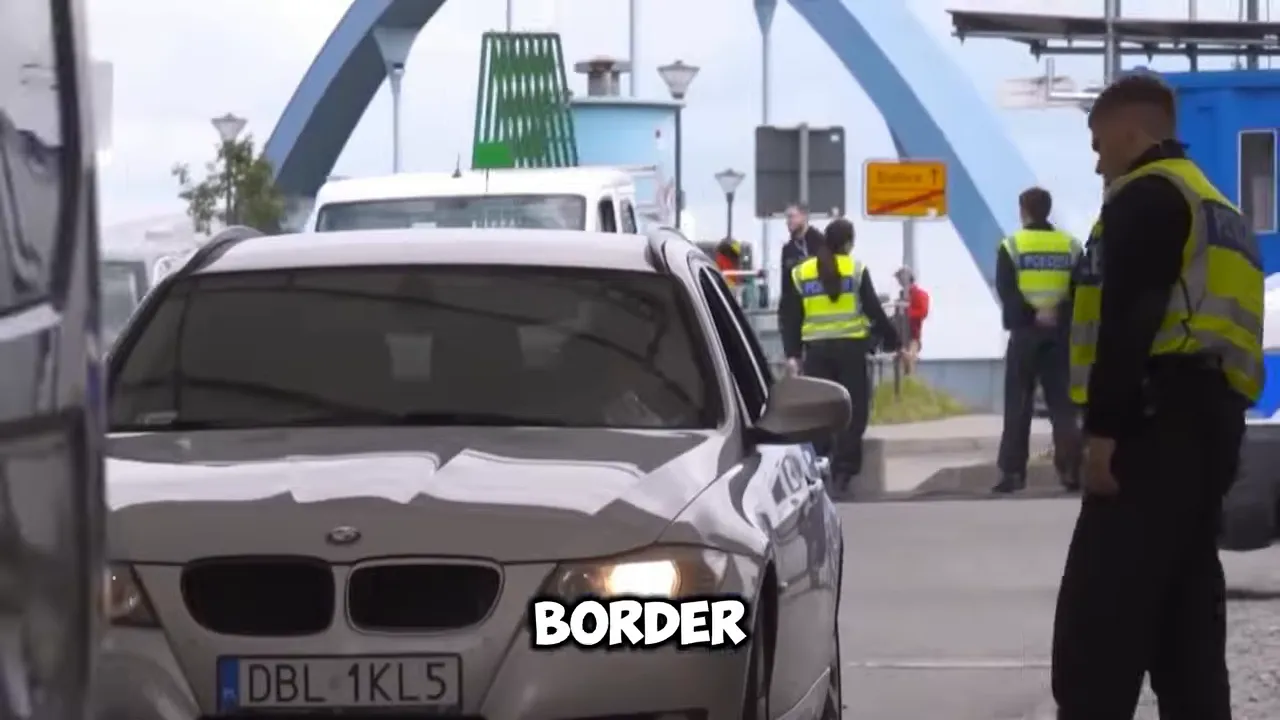
He cites Germany and Austria as examples of states that have already taken tougher steps within the European framework. For him, this proves that national governments do not need to wait for a grand EU solution before acting.
His second priority is deportation, especially for foreign nationals or dual nationals who commit serious crimes. He says that in cases involving dual citizenship, such as some Dutch Moroccans, the Dutch nationality could be stripped and the offender returned to the country of the other nationality.
He presents this as both lawful and overdue. Other countries in the Gulf and North Africa, he says, already expel foreign offenders quickly. Europe, in his view, has been naive in refusing to do the same.
Deportation as deterrence
Wilders argues that enforcement must be visible. A threat means nothing unless it is carried out. He says that if authorities actually place criminal migrants and, in some cases, their families on planes and remove them, behavior will change because people will understand that the state is serious.

That is the logic of deterrence as he frames it. Rules only matter if there are consequences, and consequences only matter if they are seen to happen.
The final line he draws
Wilders closes on a distinction he wants to make explicit. In his view, anyone who comes to a European country, respects its laws, participates in society, accepts its values, and does not commit crimes can stay and should be treated equally.
But equality, in his framework, is conditional on loyalty to the rules of the host nation. If someone rejects those rules, acts according to a rival legal or cultural order, or commits serious crimes, he says the answer should be simple: they should be removed.
That is the structure of his warning to Europe. It is not framed as a marginal policy dispute, but as a civilizational emergency. Sovereignty, national identity, border security, crime, freedom of speech, and the future balance of European politics are all treated as part of the same story.
His conclusion is as stark as his opening. If Europe wants to remain free, safe, and recognizably itself, it must reverse course.

