

Afroditi Latinopoulou delivers a blunt and combative message about the political direction of Europe. Her argument is that the continent’s security crisis, loss of cultural confidence, and growing public anger are not random developments. In her telling, they are the direct result of political choices made by European elites, especially on immigration, borders, and multiculturalism.
Speaking in the language of confrontation rather than compromise, she frames illegal immigration as a threat to national security, social stability, and civilizational identity. She ties that message to a broader critique of Brussels, left wing politics, and what she sees as a widening gap between ordinary citizens and insulated political classes.
Europe’s border crisis, as she sees it
Latinopoulou opens with a stark picture of Europe and Greece. She describes cities fractured by ghettos, parallel societies, and rising crime, with districts where native Europeans feel displaced in their own neighborhoods. Public safety, especially for women and children, is central to the way she presents the issue.
Her core point is simple: this did not happen by accident. She blames specific leadership decisions, and singles out Angela Merkel’s migration era as the turning point. In her view, the border policies adopted in the name of multiculturalism created a long term crisis whose consequences are now visible across European cities.
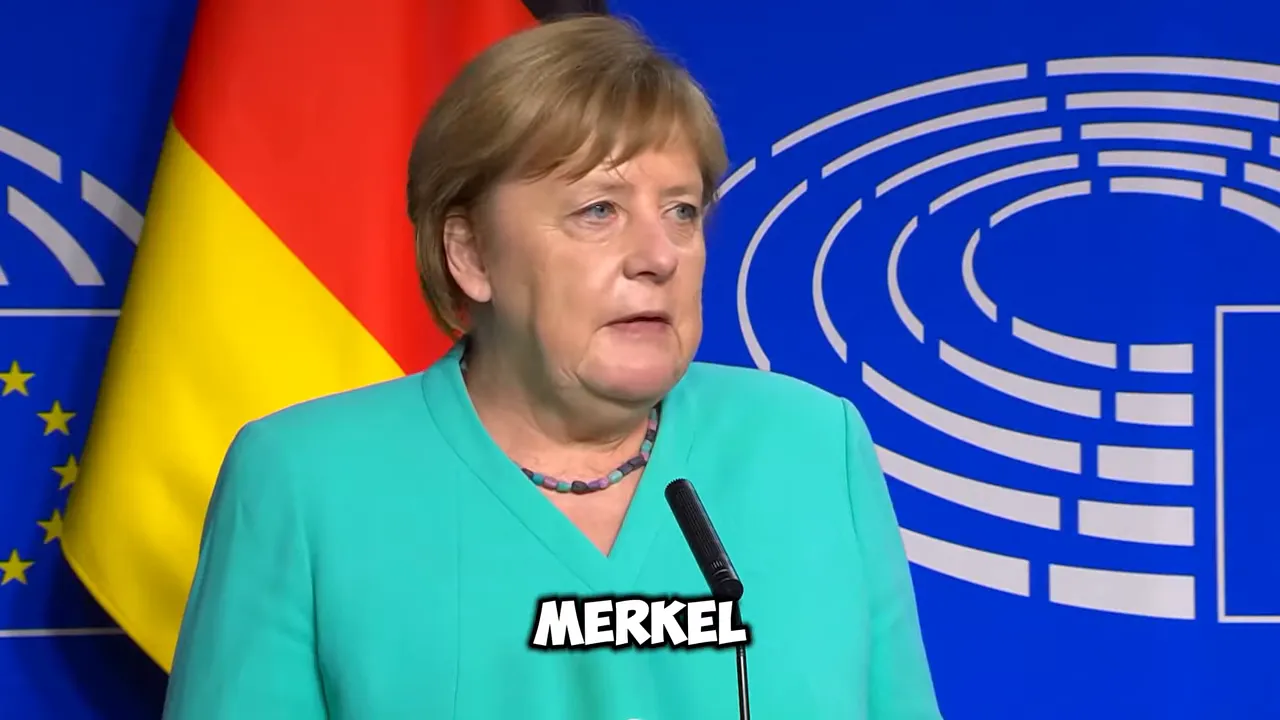
For Latinopoulou, the experiment has failed. That is the foundation on which the rest of her argument stands. If the diagnosis is civilizational decline caused by weak borders and ideological leadership, then the response, in her framework, must be forceful and unapologetic.
Illegal immigration as a security issue, not a humanitarian one
One of the clearest themes in her remarks is the rejection of the idea that illegal immigration should be treated primarily as a humanitarian challenge. She insists it should be understood as a matter of national security, social order, and cultural survival.
That framing matters because it changes the policy logic. If migration is treated as a humanitarian matter, then the focus becomes reception, assistance, and integration. If it is treated as a security matter, the focus shifts to deterrence, control, exclusion, and removal.
Latinopoulou chooses the second path without ambiguity. She argues that states have a duty to defend borders, enforce laws, and protect national identity. Her language is intentionally severe, casting illegal entrants not as people to be absorbed into society but as forces that undermine it.
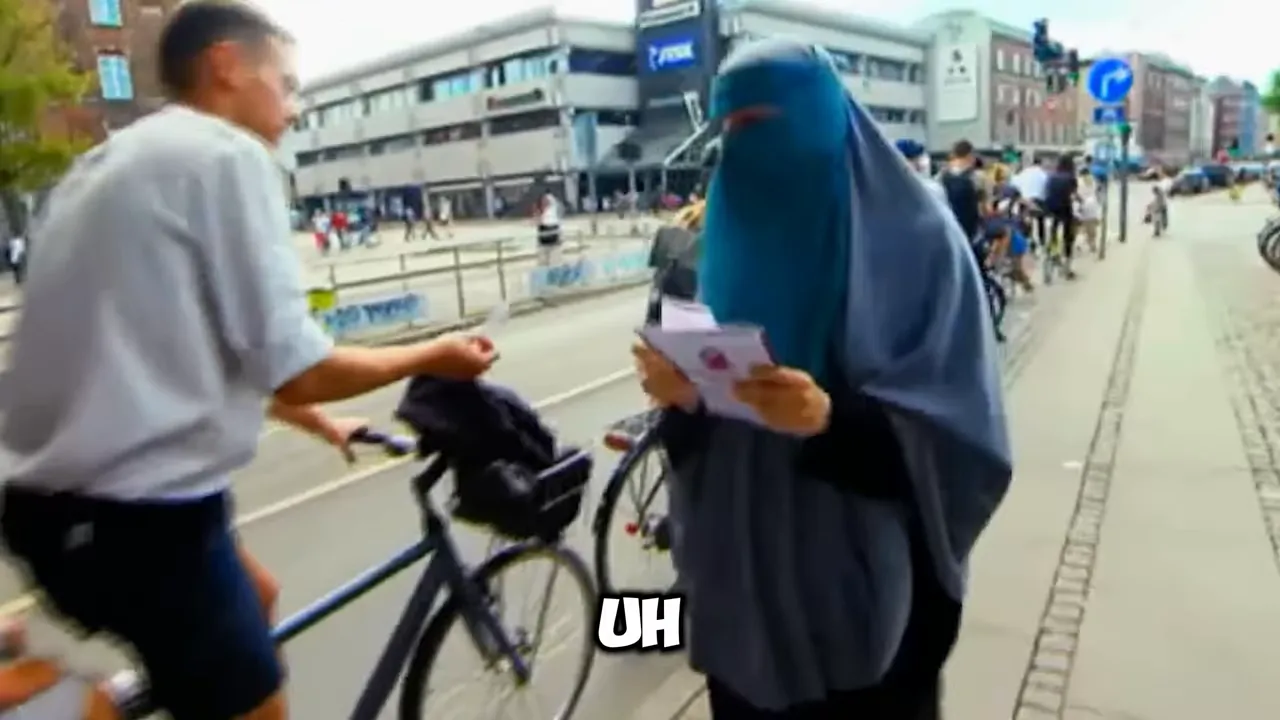
She also points to cultural practices she believes conflict with European norms, including support for a ban on the burka. In her view, such symbols are incompatible with the kind of democratic public culture Europe should uphold.
The policies she demands: closed borders, detention, deportation
From that diagnosis, Latinopoulou moves quickly to enforcement. Her preferred program is built around three pillars:
- Immediate deportation of illegal immigrants
- Closed and controlled borders
- Detention infrastructure that prevents release into society
She goes further than standard border control rhetoric by backing the creation of fully closed detention centers on uninhabited islands. Under her proposal, illegal migrants would be transferred there, held until deportation, and released only for the purpose of removal.
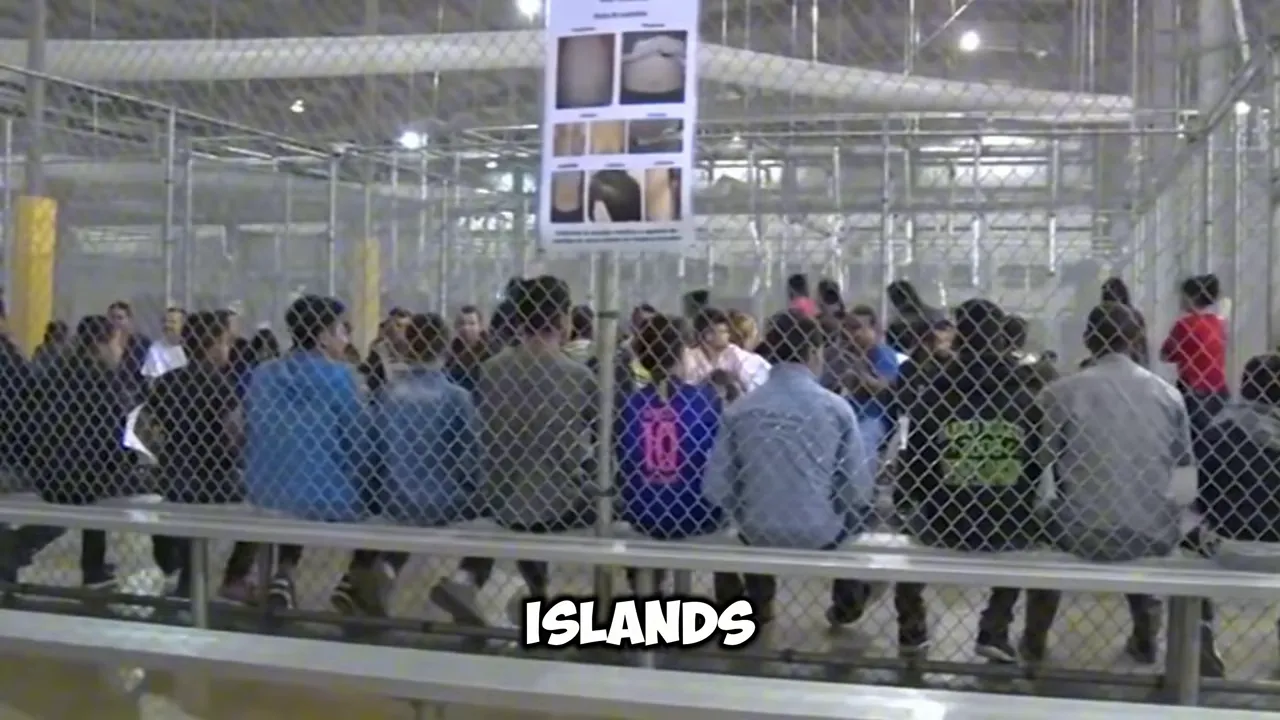
She presents this not as an extreme measure, but as the only solution she considers fair, safe, and sustainable. In her argument, half measures have already failed. Voluntary compliance, weak processing systems, and porous borders have, she says, produced a system that rewards lawbreaking and punishes citizens.
This is where her nationalism becomes most explicit. She says Europe needs strong nations, not a supranational order that tolerates uncontrolled immigration. The goal is not simply better administration. The goal is to take countries back.
The gap between elites and ordinary citizens
Latinopoulou does not limit her criticism to migration policy. She broadens it into an attack on the character of Europe’s political class. Her charge is that many politicians come from wealthy or dynastic backgrounds and have no real understanding of daily life for ordinary people.
She contrasts elite insulation with everyday pressures that shape public anger: high prices at the supermarket, insecurity on public transport, and fear in neighborhoods where crime is perceived to be rising. Her point is that policymakers do not personally experience the consequences of the choices they defend.
In that sense, immigration is not presented as a standalone issue. It is linked to a wider story about disconnection, where Brussels, national governments, and political insiders speak the language of ideals while citizens deal with the language of cost, risk, and disorder.
Free speech, authenticity, and the politics of common sense
Latinopoulou repeatedly returns to the language of truth and authenticity. She argues that people are responding to a new political style because it says openly what many think privately. That is how she explains the growth of nationalist and right wing movements across Europe, especially among younger supporters.
Her claim is that the political system is missing common sense. In her telling, mainstream leaders overcomplicate obvious problems, while the left pushes social tolerance to the point of national self destruction. Her side, she says, speaks plainly, names the problem directly, and refuses to be shamed into silence.

She also accuses the left of hypocrisy on speech. Democracy, she argues, should mean a plurality of opinions and freedom for everyone to speak. But she contends that left wing activists and institutions support open debate only when the opinions expressed are their own. If they had the power, she says, they would silence dissenting nationalist voices.
This is central to her political identity. She wants to present herself not just as anti immigration, but as anti censorship, anti bureaucracy, and anti elite management of public debate.
Culture, demographics, and identity
Latinopoulou then shifts from policing and speech to a longer horizon issue: demographics. She argues that culture cannot survive if a population loses the will or ability to reproduce itself while large incoming populations continue to grow.
Her concern is not only crime or border management. It is also replacement, decline, and the erosion of a shared civilizational identity. She describes neighborhoods that, in her view, have become so degraded or threatening that Greeks move elsewhere simply to live normally. In this account, migration changes not just who enters a country, but who feels able to remain in particular places within it.
She links this to birth rates. Her argument is arithmetic as much as cultural: if native populations shrink while migrant populations expand, then the character of the nation changes fundamentally. She treats that trend as a direct political emergency, not a distant sociological concern.
The language here is highly charged, especially when she connects criminality, religious doctrine, and long term demographic change. But the structure of the argument is consistent with the rest of her speech: weak states lose borders, weak borders alter neighborhoods, altered neighborhoods weaken culture, and weakened culture eventually weakens the nation itself.
Israel, Hamas, and what she calls the front line of the West
On foreign policy, Latinopoulou places the Israel Hamas war inside the same civilizational framework she uses for Europe. She says support for the Palestinian cause, especially when expressed through symbols or protest slogans, amounts to support for Hamas.
She points back to the October 7 attack as the defining moral fact of the conflict, describing it as a brutal massacre of civilians. From there, she defends Israel’s military response as the natural and necessary act of a sovereign nation protecting its security and territorial integrity.

Her position is not merely pro Israel. It is strategic. She describes Israel as the last frontier of the West in the Middle East. If Israel is fighting political Islam, she argues, then Europe has a moral duty to stand with it because the struggle is part of the same wider conflict.
If Israel falls, Europe falls
This is one of the most memorable lines in her speech, and it captures how thoroughly she merges foreign and domestic politics. For Latinopoulou, Israel’s war is not separate from Europe’s migration debate. It is another front in the same battle over Western civilization, democracy, and sovereignty.
She argues that those who support Islamism, whether inside or outside Europe, are hostile to European values. In that worldview, Israel is not only defending itself. It is defending the broader West.

This framing also explains why she talks about internal enemies in the same breath as external threats. Leftists, socialists, communists, illegal immigrants, and activist minorities are grouped together as forces working against the nation from within. The categories are political, cultural, and demographic all at once.
Democracy, sovereignty, and her criticism of Brussels
Although the speech is highly confrontational, it presents itself as a defense of democracy rather than a rejection of it. Latinopoulou insists that democracy requires free expression, strong borders, and accountable national leadership. She links Greece’s historical identity as the birthplace of democracy to her call for a more sovereign political order.
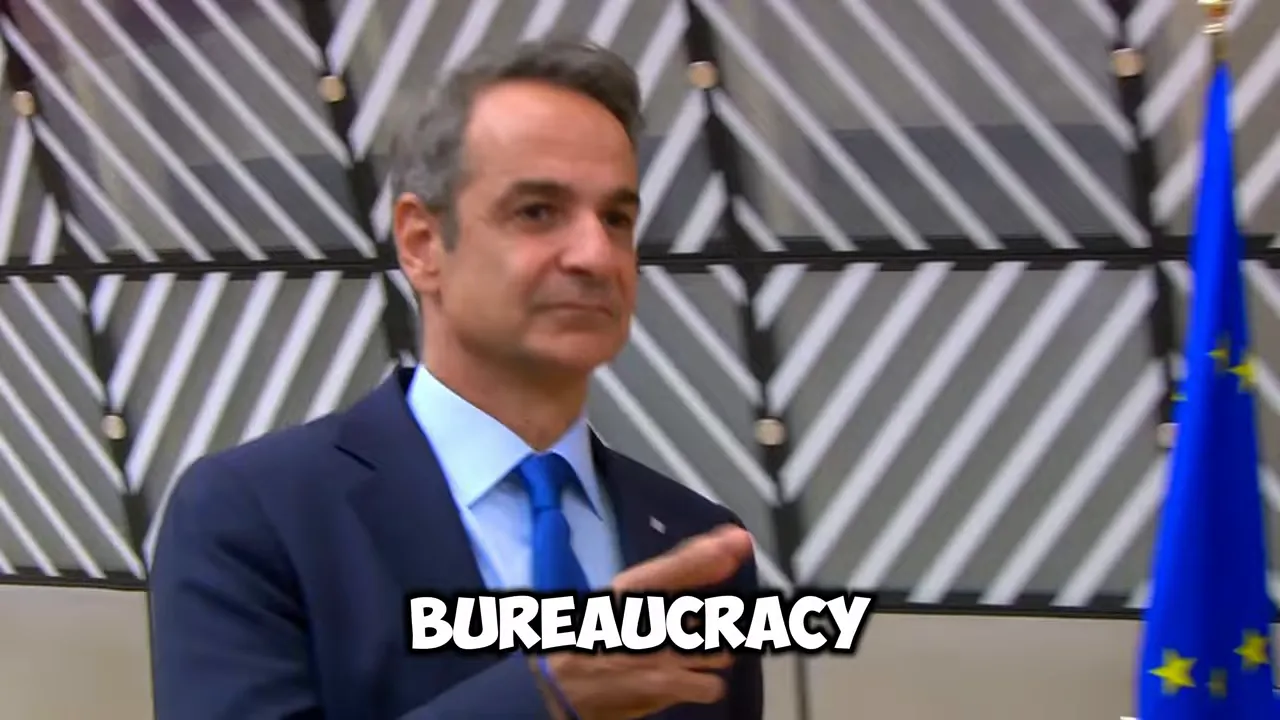
Her critique of Brussels is that it produces bureaucrats instead of leaders. Europe, she says, does not need puppets of administration. It needs people willing to act, protect nations, and say clearly what they stand for.
That is also why sovereignty remains one of her key words. Borders, culture, national independence, and democratic self rule are presented as inseparable. Lose one, and the others become harder to defend.
The political project behind the speech
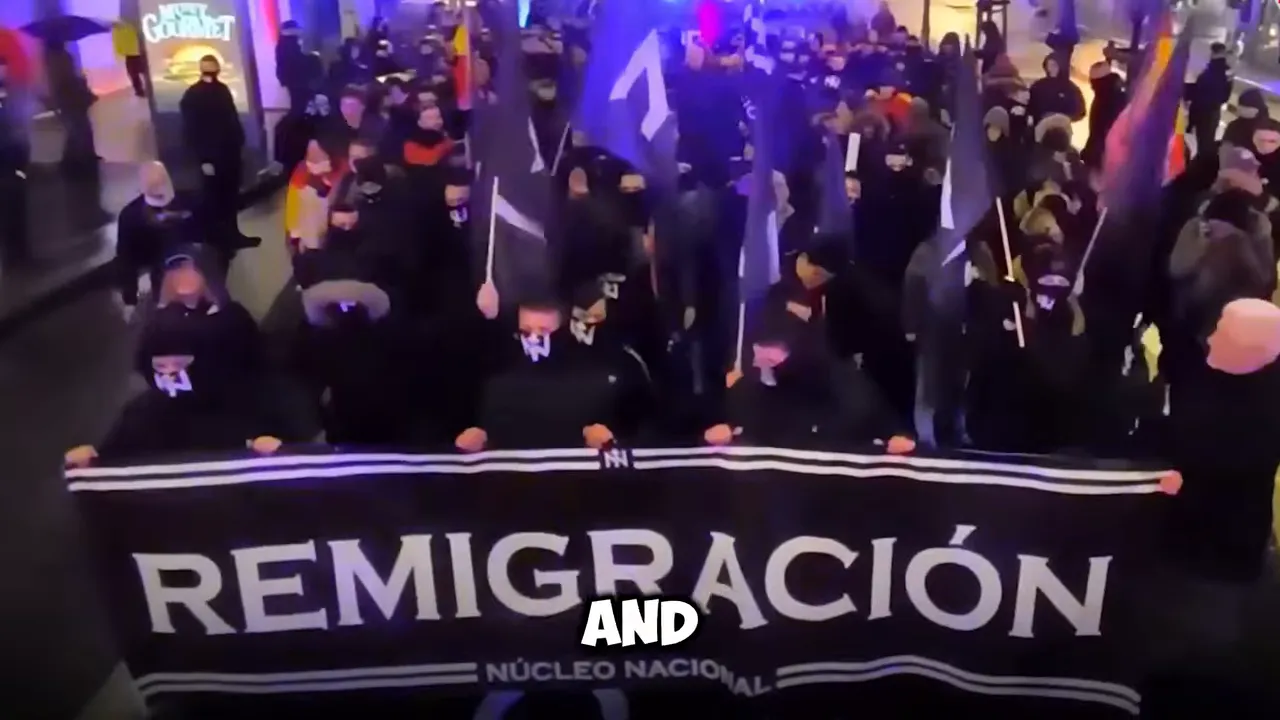
By the end, the message is openly electoral. Latinopoulou says Europe is entering a period when nationalist and right wing movements are growing stronger and more organized. She points to Greece, France, and other countries where she believes this momentum is accelerating.
Her confidence comes from the belief that public patience has run out. In her account, people no longer want managerial politics, abstract tolerance, or elite caution. They want leaders, security, and the recovery of national control.
Whether one sees that as democratic renewal or political radicalization depends on where one stands. But the speech itself leaves no doubt about its aims. It is designed to channel fear, frustration, and cultural anxiety into a unified political demand: stronger borders, stronger nations, and a Europe redefined against immigration, left wing politics, and supranational control.
What the speech reveals about Europe’s political moment
This is not the language of consensus politics. It is the language of polarization, civilizational struggle, and insurgent nationalism. The speech draws together several of the most combustible issues in European public life:
- Illegal immigration and border control
- Crime and public safety
- Cultural identity and demographics
- Free speech and ideological conflict
- National sovereignty versus Brussels bureaucracy
- Israel, Hamas, and the meaning of Western solidarity
What makes the message politically potent is not just its force, but its coherence. Every issue is folded into the same story. Weak elites opened the gates. Citizens paid the price. The left defended the system. Nationalist movements are rising to reverse it.
That is the argument Afroditi Latinopoulou puts forward, with no moderation in tone and no interest in softening the edges. It is a speech built for a Europe that is increasingly divided over identity, authority, borders, and the future of democracy itself.

