

Allegations of foreign money shaping votes and public positions inside the European Parliament have become a central explanation offered by some politicians for why certain EU institutions criticize countries such as Poland and why debates about Israel are so polarized. This article explains the key facts, mechanisms of influence, institutional vulnerabilities, and practical steps citizens and policymakers can take to reduce undue foreign influence.
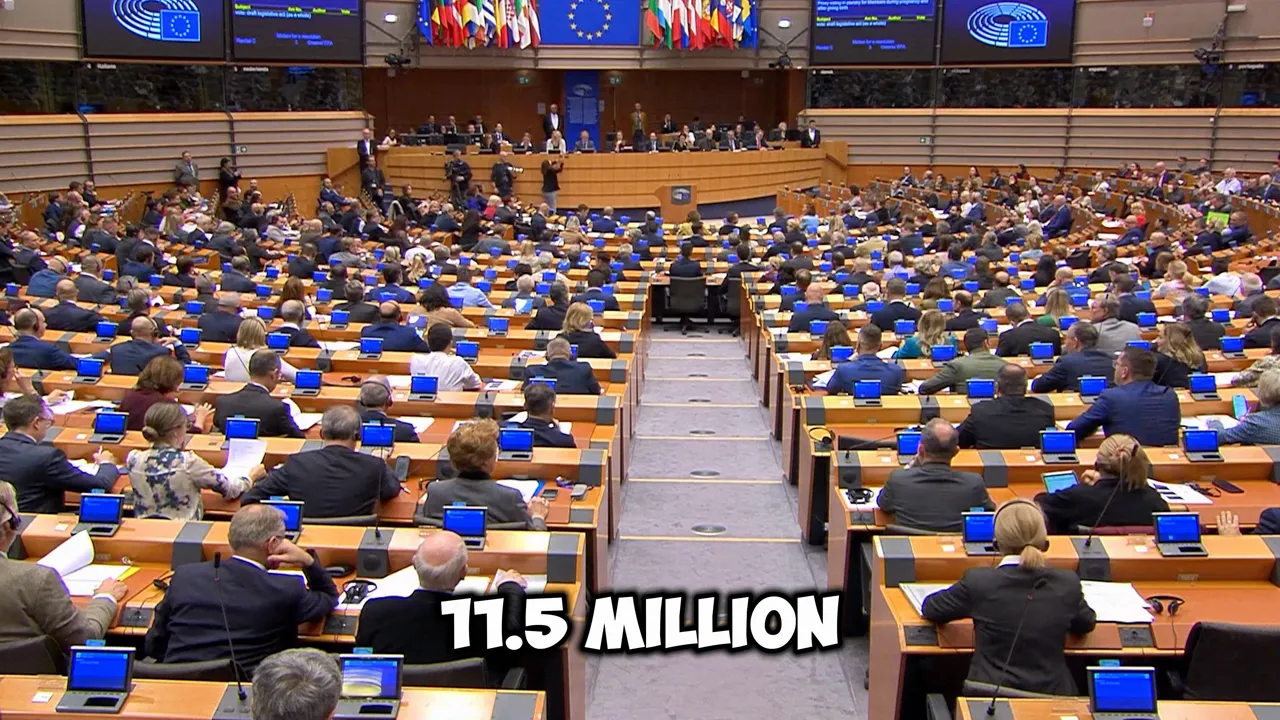
At the center of recent controversy are investigations in 2023 that exposed large sums of cash moving into the hands of several EU officials. Belgian, Greek, and Italian authorities uncovered cash and alleged bribery schemes that prompted arrests and public outcry, and triggered questions about transparency, corruption controls, and lobbying rules for Members of the European Parliament.

What happened in the 2023 bribery investigations and why it matters
Several EU law-enforcement actions in 2023 uncovered cash payments and alleged attempts to influence senior EU officials. Those actions prompted criminal investigations, parliamentary inquiries, and renewed scrutiny of how outside actors fund political activities in Europe.
The practical consequence is twofold: first, public trust in supranational institutions drops when allegations of bribery surface. Second, countries targeted by EU criticism—especially on rule-of-law matters—frame those criticisms as politically or financially motivated rather than substantively legal or normative.
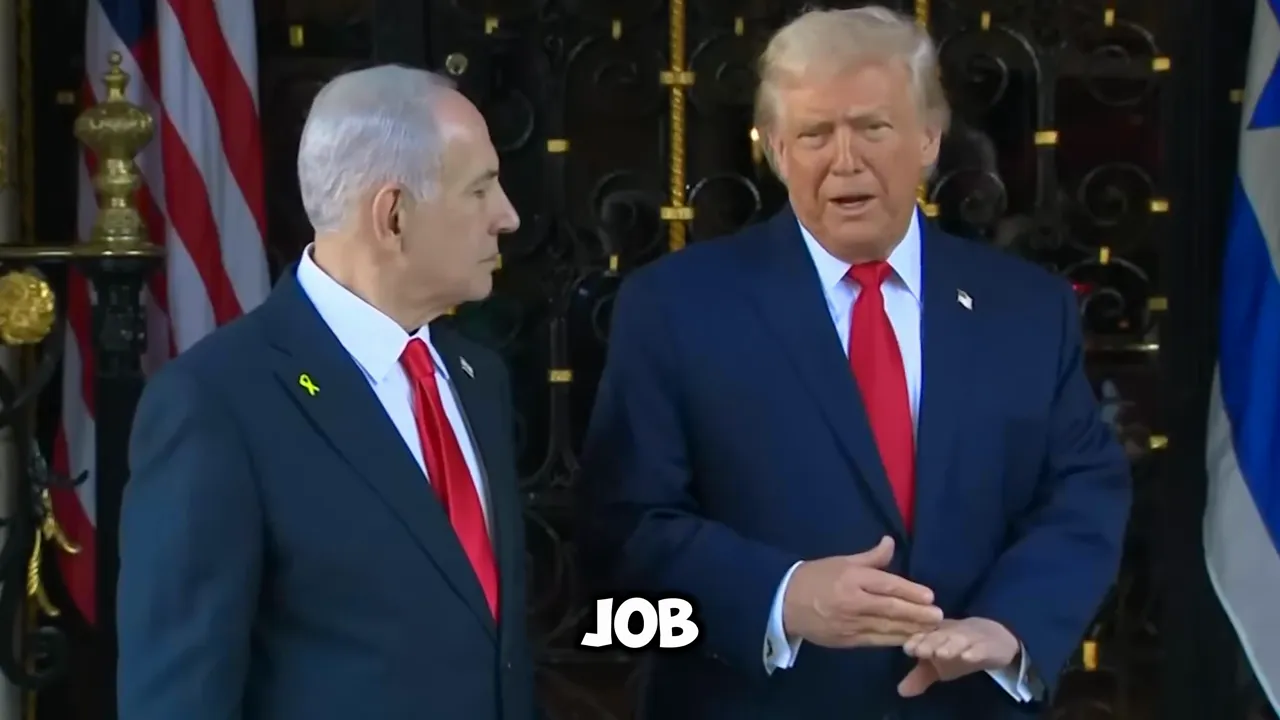
How foreign financial influence can shift political narratives
Foreign states and wealthy actors can try to shape debate through multiple channels: direct payments, funding think tanks and academic posts, philanthropic grants, media sponsorship, and financing cultural or religious institutions.
When money supports policy research, media outlets, or public events, it can create an amplified narrative sympathetic to a donor’s interests. That is why transparency about funding sources, strict disclosure rules, and strong lobbying registers are core defenses against covert influence.

Institutional vulnerabilities: Why EU bodies are seen as exposed
Several structural features make supranational institutions attractive targets for outside influence: complex decision-making procedures, multiple entry points for stakeholders, and lifetime or long-term appointments that reduce direct electoral accountability.
Critics argue that the European institutional architecture can act like a career endpoint for seasoned politicians. Without direct national-level electoral pressure, some observers say officials are more susceptible to external incentives or careerist behavior that aligns with well-funded interest groups.
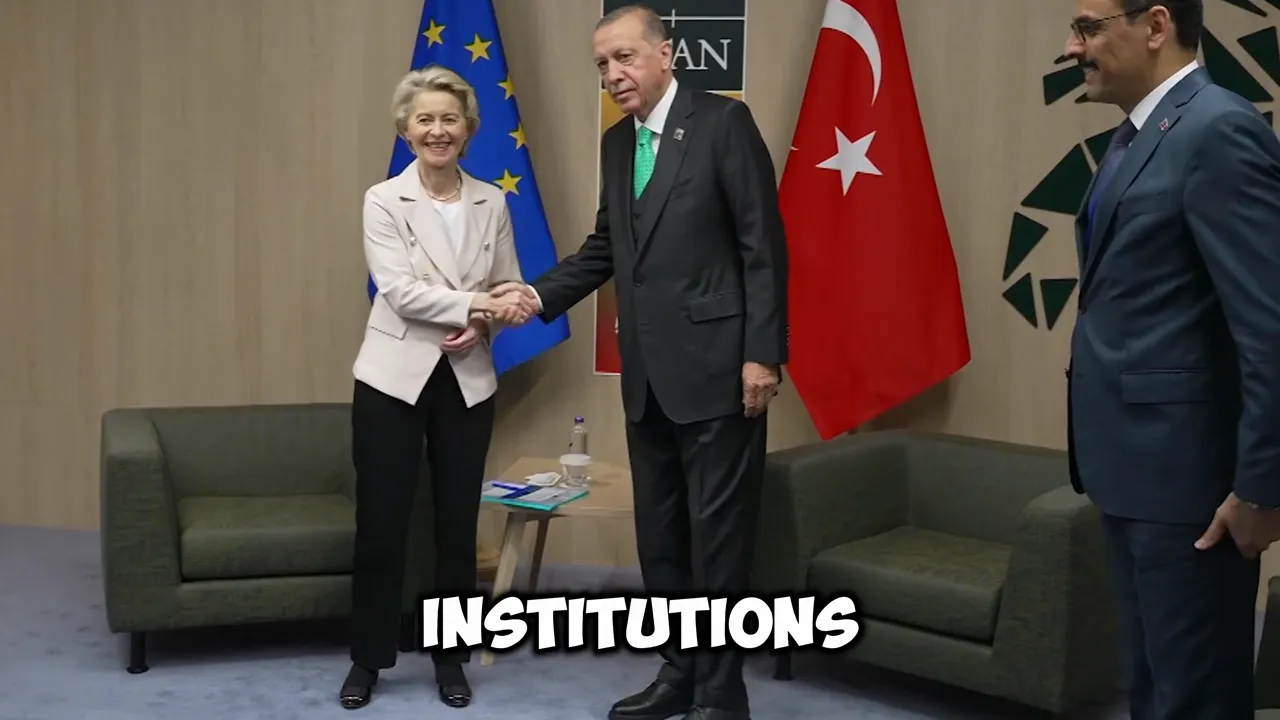
Claims of ideological coalitions: distinguishing rhetoric from evidence
It is common in political debate to describe alliances between domestic political groups and foreign ideological movements. These claims range from broad ideological sympathy to organized collaboration. Assessing them requires clear evidence rather than rhetoric.
Useful evidence includes documented communications, financial transfers, coordinated lobbying campaigns, or policy outcomes that consistently favor a foreign sponsor’s interests. Anecdotes and partisan commentary are less reliable and can obscure genuine instances of wrongdoing.
Reforms and tools the EU has used or proposed
- Lobbying transparency rules: Mandatory disclosure of meetings with lobbyists and third-party actors increases public visibility into who influences lawmakers.
- Restrictions on outside income: Tighter rules on side jobs and financial interests aim to reduce conflicts of interest for elected officials.
- Waiving immunity for suspects: Parliamentary immunity can be suspended in corruption cases so investigations proceed unimpeded.
- Stronger registration of NGOs and think tanks: Requiring detailed funding sources for organizations that claim policy influence reduces the chance of hidden donor agendas.
These measures can blunt many influence strategies, but enforcement, cross-border cooperation, and consistent application remain crucial to their effectiveness.

How to evaluate and respond to claims of foreign influence
- Check primary sources: Look for official court filings, parliamentary reports, or published financial disclosures rather than relying on secondary summaries.
- Differentiate correlation from causation: A foreign-funded project near a policy change is not proof of causation without evidence of coordination.
- Assess transparency and traceability: Prefer organizations and outlets that publish donor lists, annual reports, and audited accounts.
- Watch for pattern evidence: Repeated, documented interactions between the same actors and policy outcomes strengthen a case for undue influence.
Common misconceptions and pitfalls
Equating all foreign-funded activity with corrupt influence is a mistake. Many international grants support legitimate education, cultural exchange, and research without policy strings attached.
Another frequent error is using broad religious or ideological labels to explain complex geopolitical behavior. Avoid generalizations that conflate a state’s foreign policy with the beliefs of entire communities.
Practical steps for citizens and policymakers
- Demand transparent registers of donations to political actors and civil-society groups operating in policymaking spaces.
- Support independent oversight through empowered anti-corruption bodies with cross-border investigative capacity.
- Encourage media literacy so citizens can identify sponsored content, opaque funding, and coordinated messaging campaigns.
- Promote clear conflict-of-interest rules for representatives at all levels of governance and enforce penalties for breaches.
These steps help separate legitimate international engagement from covert influence that undermines democratic decision making.
Finally, public debate about foreign influence should remain evidence-based and proportionate, focusing on documented misconduct and systemic reform rather than partisan labeling or blanket accusations.
Conclusion: balancing vigilance and fairness
Cases of alleged bribery and foreign influence in European institutions have highlighted real risks to democratic legitimacy. At the same time, not every criticism of a country or policy is evidence of foreign manipulation.
Practical safeguards—transparency, independent investigation, clear conflict-of-interest rules, and public oversight—are the best path to reduce undue influence while preserving legitimate international engagement.

