

Europe is being asked to accept an uncomfortable question: what happens when a continent’s political direction, legal structure, and social balance are reshaped faster than citizens can process, debate, or consent to? In speeches and arguments shared in this compilation, the core claim is blunt. Europe’s defenders argue that the continent cannot be preserved if those with the deepest historic ties and responsibilities are replaced by people with no connection to the long continuity of the nations and societies involved.
This argument is not framed as nostalgia. It is presented as a warning about civilizational replacement. The speaker emphasizes that, for years, EU institutions have pressured member states to surrender national sovereignty, abolish borders, and “erase identities.” “For decades,” the claim goes, Europe was fed the idea that diversity is automatically a strength, rather than a policy choice that requires limits, integration expectations, and democratic consent.
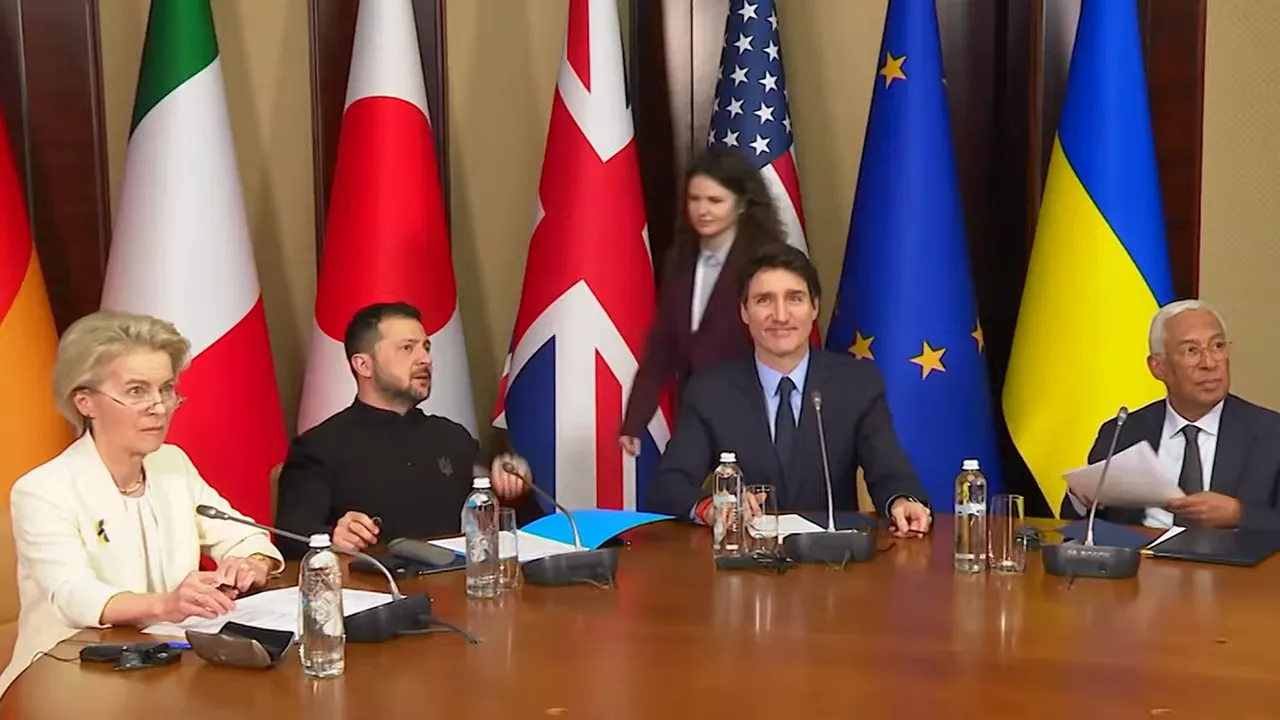
Brussels and the “Mask of Benevolence”
One of the most recurring themes is distrust of the EU project as practiced by Brussels and elements described as “unelected bureaucrats.” The argument is that centralization is being sold as progress, but it is treated as something closer to civilizational control. According to this view, Brussels is now “fighting against Europe” and against European sovereignty rather than serving it.
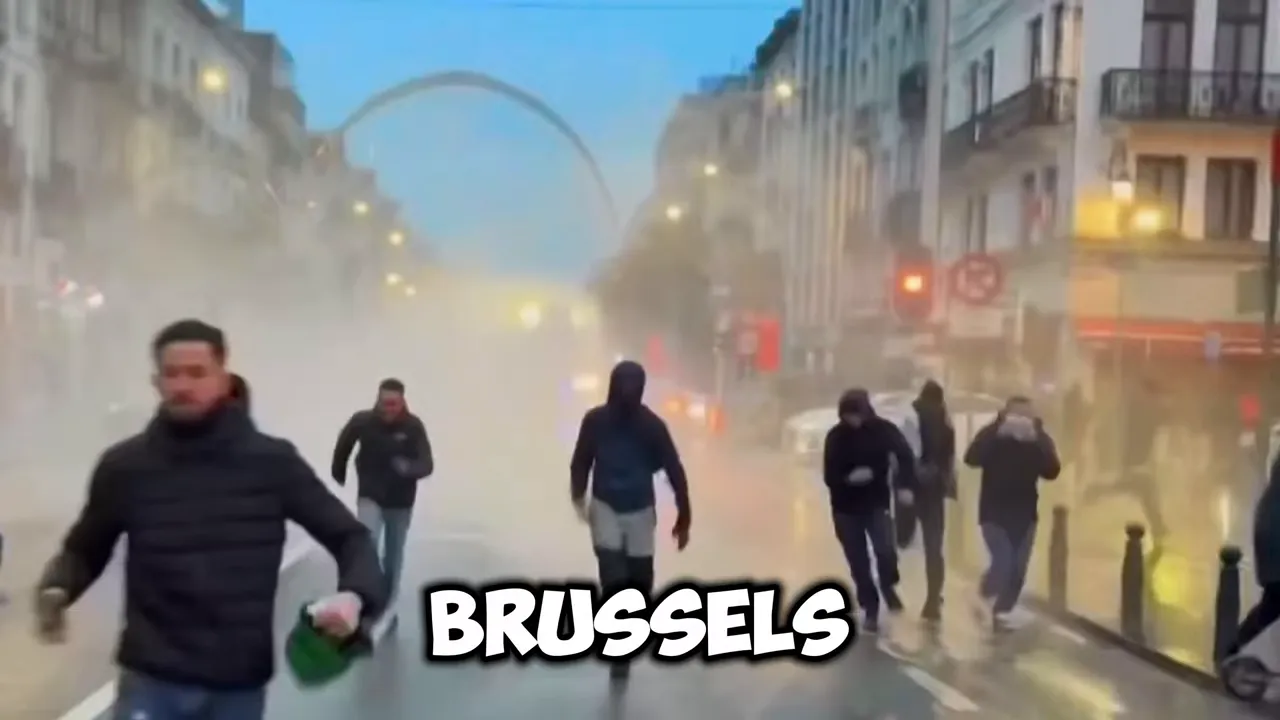
The result is described as a deterioration in public life: what supporters call “cultural decay,” what they characterize as mass migration “out of control,” and a widening confusion about what Europe even is. The claim is also that this danger comes not only from outside forces, but “from within,” rooted in globalist elites operating across European capitals.
Heritage: Not an Open-Air Museum, but a Responsibility
To make the case about identity and continuity, “Heritage” that is framed as moral obligation rather than an exhibit. The idea is that civilization is not something people simply observe. It is something they live inside and are responsible for protecting and passing on.

The argument then turns practical. Europe’s “high-trust societies” are described as having changed. The speaker describes a world where grandparents could leave doors unlocked, children could play outside with less supervision, and women could walk home at night without excessive fear. The tone here is less technical and more cultural: a sense that ordinary security is being dismantled.
The call: pride instead of apology
From that point, the message escalates into political culture: “tear down” woke “madness,” be proud of who you are, where you come from, and never apologize. The argument is that ideology has replaced civic confidence with shame, and that this has made Europe less capable of defending itself.
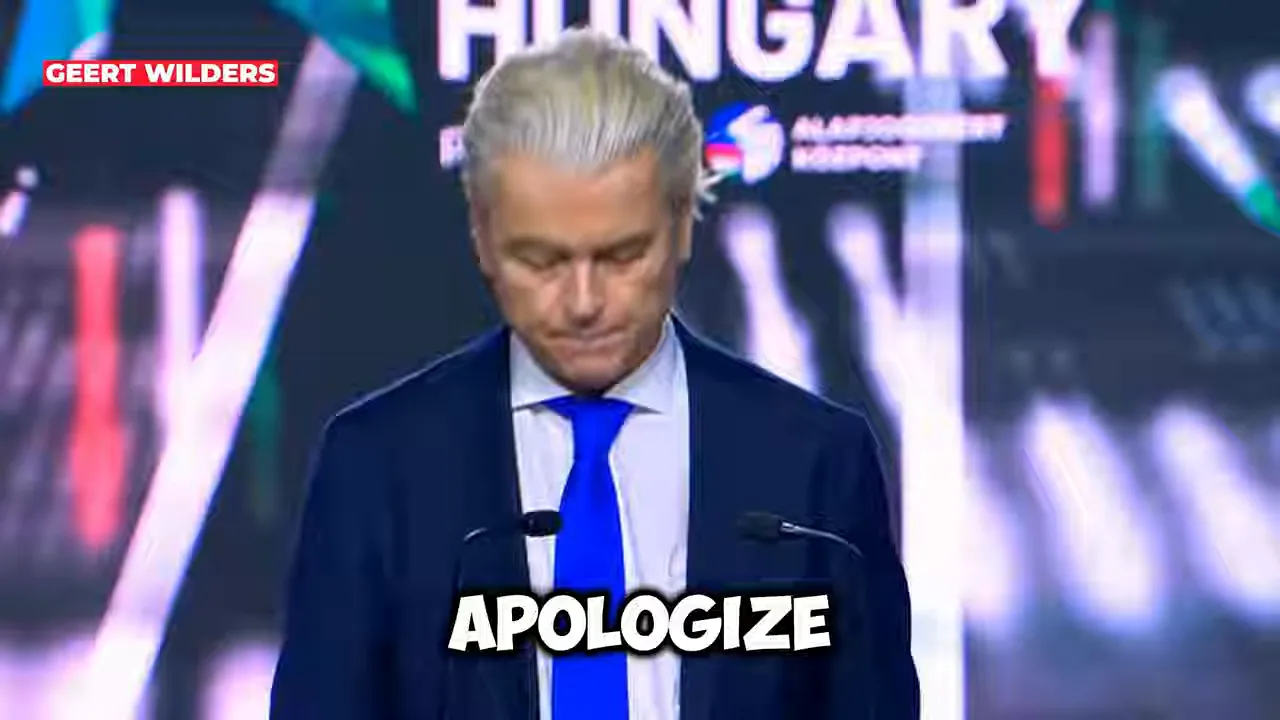
Silencing is also central to the critique. Citizens do not think like EU elites, Brussels attempts to silence them and even interfere in electoral processes. The claim is not offered as a slogan only, but as an explanation for why political frustration has intensified across multiple countries.
Free Speech Under Pressure and the Digital Services Act
Freedom of speech becomes one of the clearest policy targets in the argument. Brussels and the EU are approving new rules faster and faster, aimed at limiting free speech, implementing censorship on social media, and reducing people’s ability to discuss freely.

The Digital Services Act is singled out as “proof” of mind and speech control.Regulation is not neutral. It is treated as an instrument that affects what people are allowed to say, what platforms are pressured to moderate, and what public debate can realistically contain.
Migration: From Policy to Social Transformation
Migration is presented as the second pillar of the crisis, and it is treated as a policy failure, not just a humanitarian challenge. The claim is that the EU floods countries with illegal mass migration, forcing citizens to “feed, house, and privilege these masses” while crime “explodes,” terrorism stalks streets, and Islamic extremism takes root.
One of the most striking parts of the argument is the claim that cities have changed so thoroughly that they no longer resemble their former selves. Lisbon is used as an example: the speaker says you might feel like you are walking in places such as Pakistan, Saudi Arabia, or Morocco, and then extends that claim to Paris, Brussels, Amsterdam, and more.
Not anti-immigration, but against identity destruction
Immigration is automatically bad. Instead, it is that uncontrolled migration can destroy the identity of Europe. The message emphasizes that integration is not just a slogan, but a requirement that must be achieved without undermining national character.
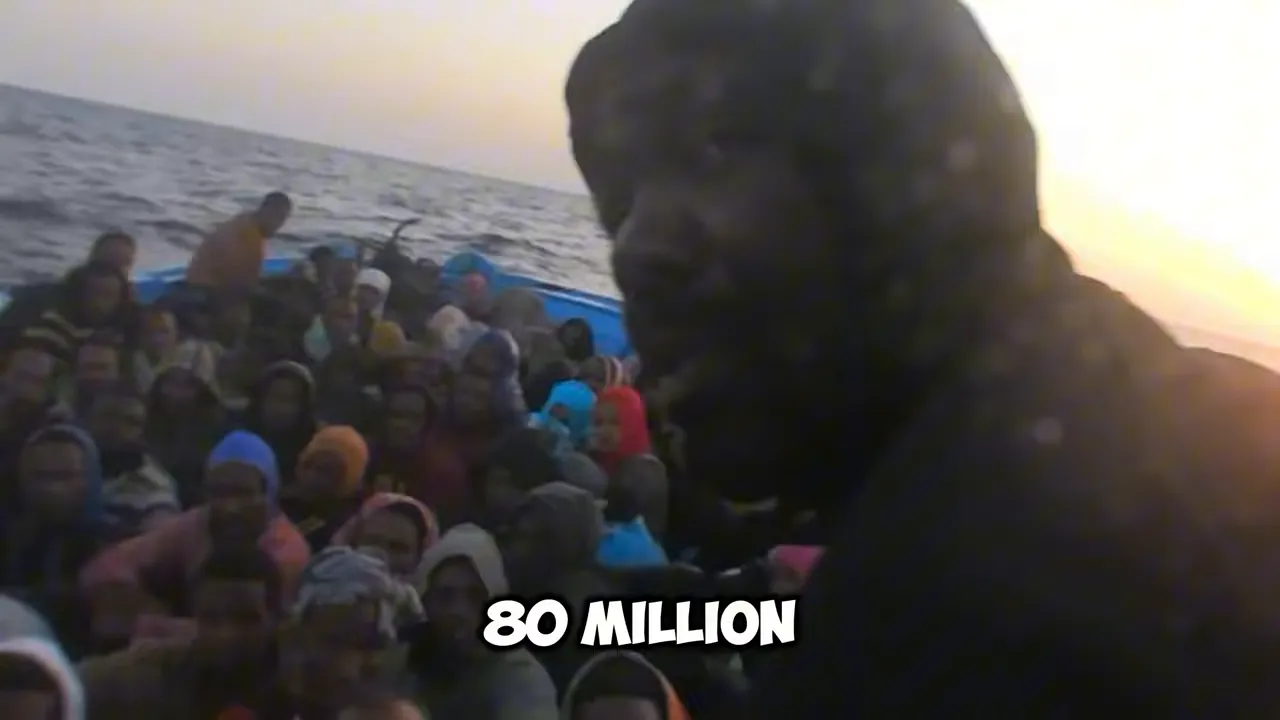
To support the scale of the issue, the speaker cites figures: over 50 years, more than 80 million migrants have entered the continent, with 30 million in the past 10 years. For 2024 specifically, the claim is that approximately 4.2 million immigrants entered the EU from non-EU countries, which the speaker translates into “11,500 people per day,” comparing it to a stadium full of entrants each day.
Orbán, Borders, and the Fence Logic
Viktor Orbán as someone who “recognized this threat a long time ago.” In this framing, when EU borders were opened, Orbán built a fence and said, “Not here in Hungary.” The metaphor used is that Hungary blocked a “Trojan horse” of Islamic mass immigration from breaching its gates.
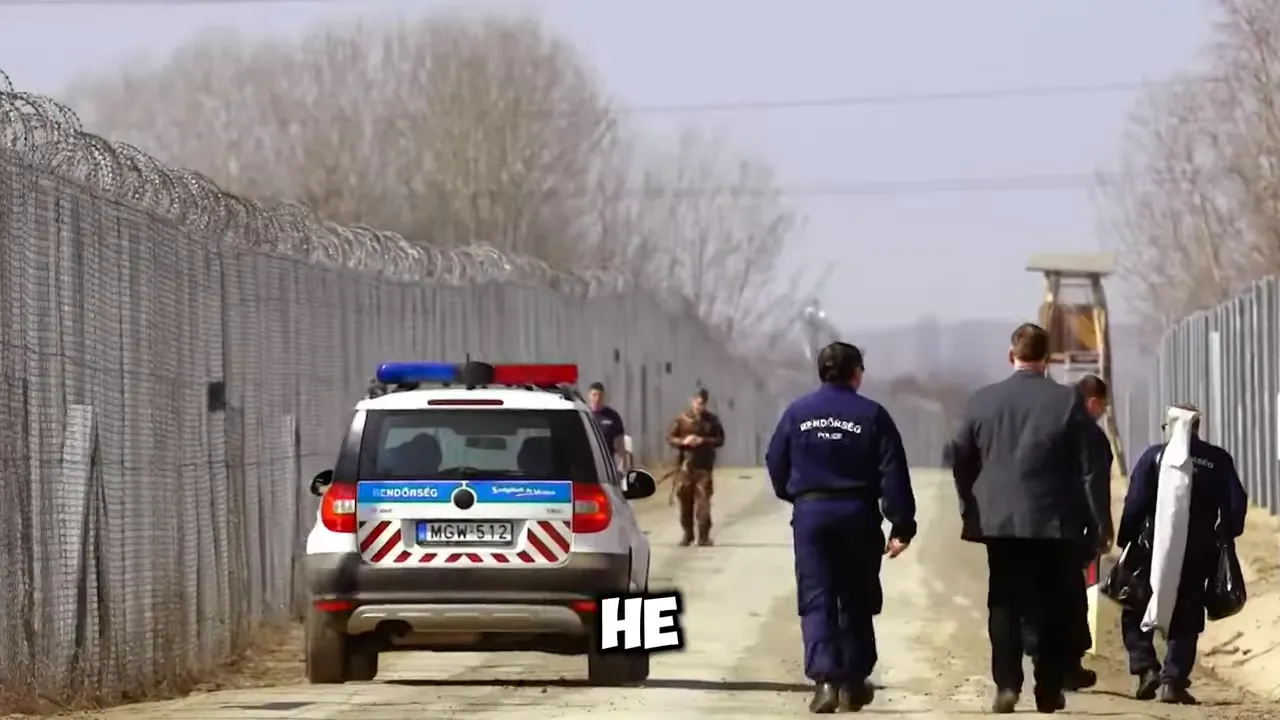
Here the argument is also about policy differentiation. Hungary is described as shielding itself from what the speaker calls the “faith now suffocating” Western Europe. The underlying logic is that border control is not just about security, but about preserving a shared social order.
Schools, Youth Demographics, and “Replacement” Fears
A major section is focused on children and education, with a claim that Europe no longer lives in a high-trust environment and that young people are experiencing a profound shift in belonging. The speaker argues that “white people” face an institutional and concerted attack, and that white children are the primary victims because “replacement is most extreme” in their age group.
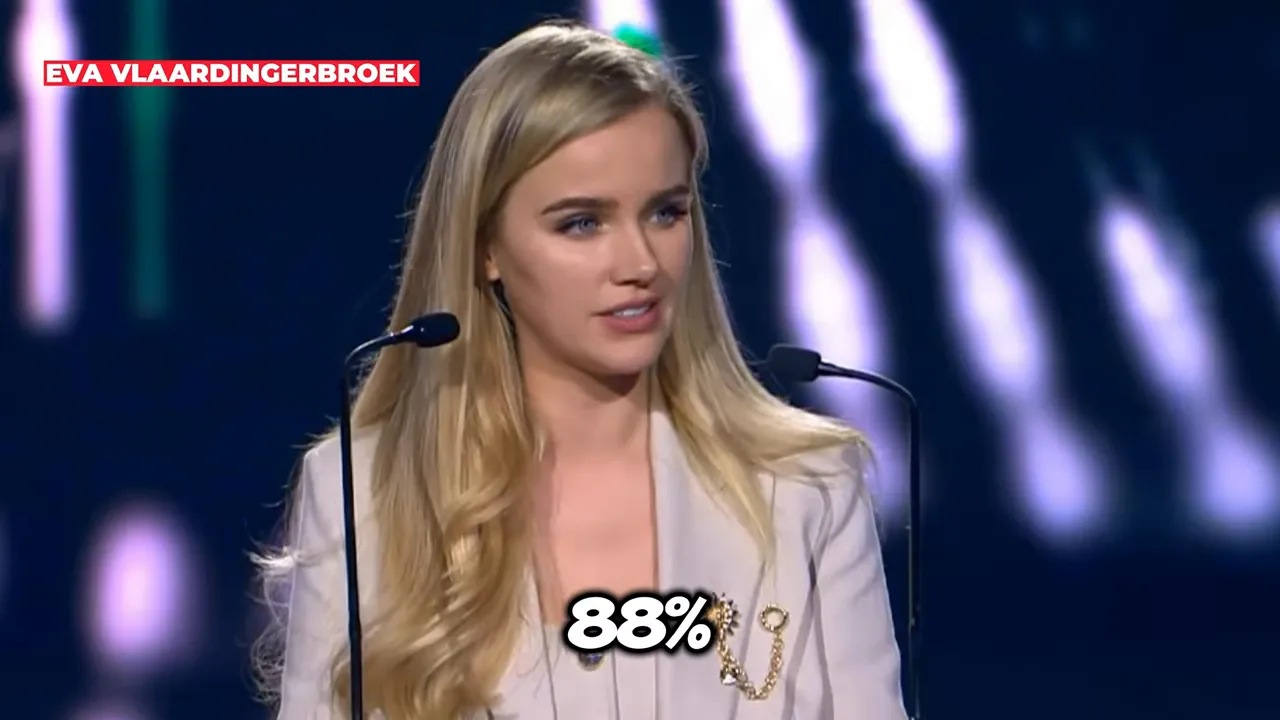
Specific demographic claims are made: in Brussels, 88% of kids under 20 are said to have foreign origins. The speaker also claims that in eight out of nine major German cities, more than half of children under 16 have a migration background. The conclusion offered is stark: “those kids … don’t identify as European one bit,” which the speaker uses to argue that cultural integration is not happening in the way elites predicted.
From bullying to “racial humiliation rituals”
The speaker describes ordinary bullying as no longer sufficient to explain what is occurring. They use a harsher term: “racial humiliation rituals.” They describe a proposal accepted by government to address the issue, and the political direction implied is control and exclusion of those who arrive illegally.

The proposed policy position is repeated: the speaker says they are “not against anyone,” but cannot accept people who come illegally. The claim is that illegal arrivals must be sent back because they “don’t belong to Europe.” This is presented as a firm boundary rather than a negotiation.
Religious Demographics and the Future of Europe
The argument turns to religion and the number of institutions. Geert Wilders says the Netherlands has 500 mosques, while Hungary has “barely a dozen.” They then assert a projected demographic shift: that Islam will be the largest religion among those under 26 in the Netherlands and that in 20 years, the Netherlands could have more Muslims than Christians.
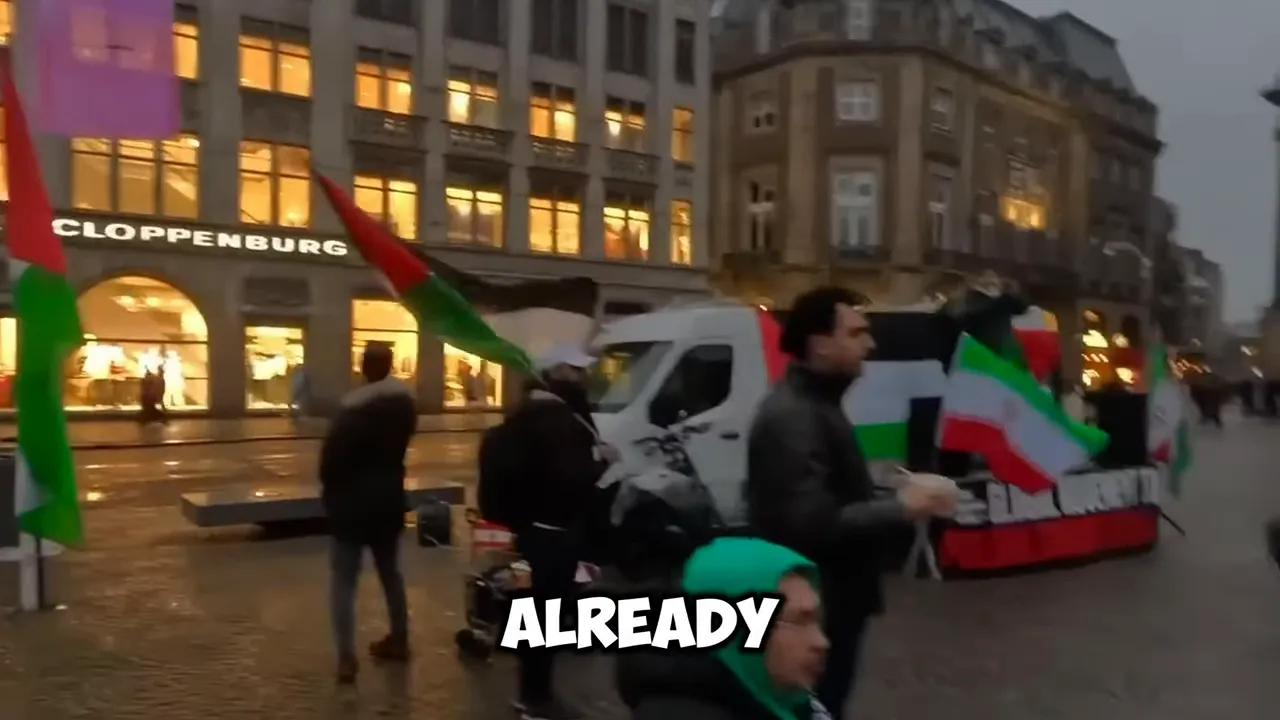
This section is also tied to cultural and legal fears: the speaker claims to reject “Sharia law” and points to slogans such as “choose civilization and not the caliphate.” The message is that policy choices today determine the cultural and legal landscape of tomorrow.
Crime, Sexual Offenses, and “Left and Liberal Policies”
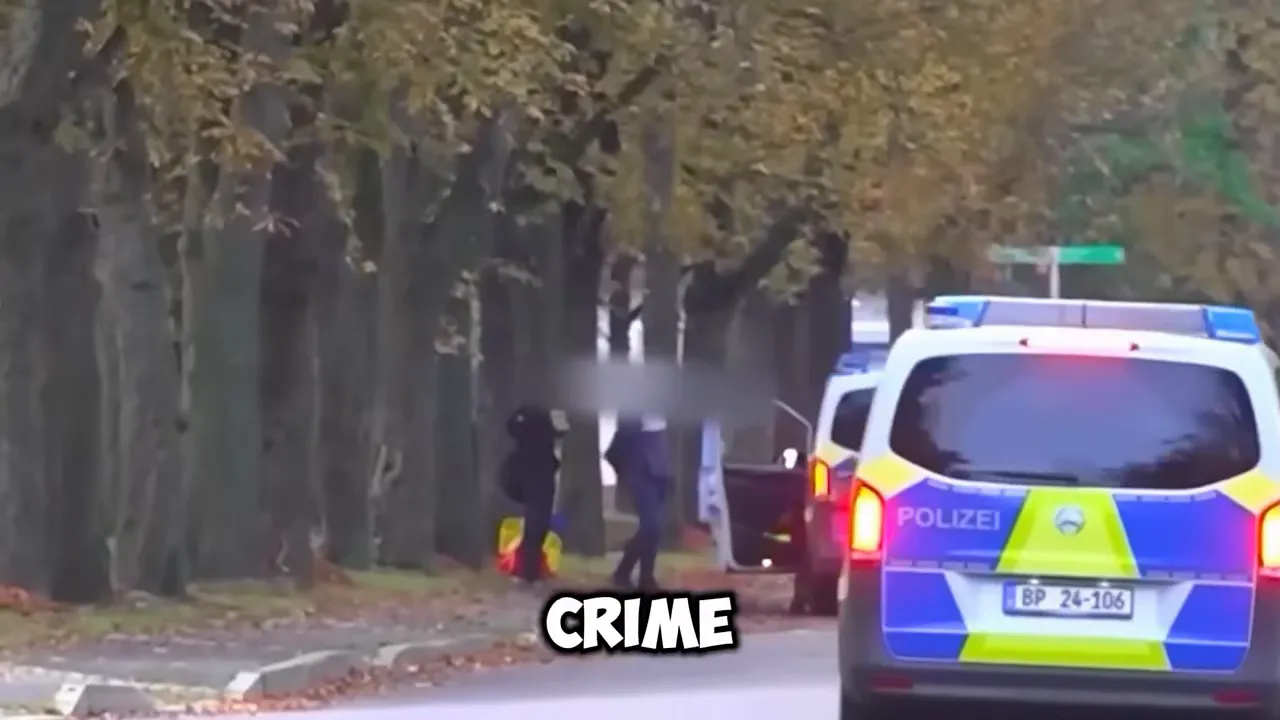
Criminality is used as another core evidence category. Half of sexual crimes in the Netherlands are committed by people with a migrant background. They provide comparative claims: Somali men are said to commit 20 to 30 times as many sexual offenses as Dutch men, Iraqis over eight times, and Syrians four to six times.

Regardless of how each reader evaluates such numbers, the political logic is clear within the argument. The speaker says leaders are “selling us out,” and contrasts that with Orbán’s line: no illegal immigration, no Sharia law, no raping by migrants, and safety for women in Hungary.
Shame, Lower Standards, and the Loss of the “Republican Spirit”
Beyond border and crime, the speech shifts into cultural psychology. Europe has shame instead of pride, lower standards instead of higher goals, comfort instead of hard work, and sacrifice and duty.
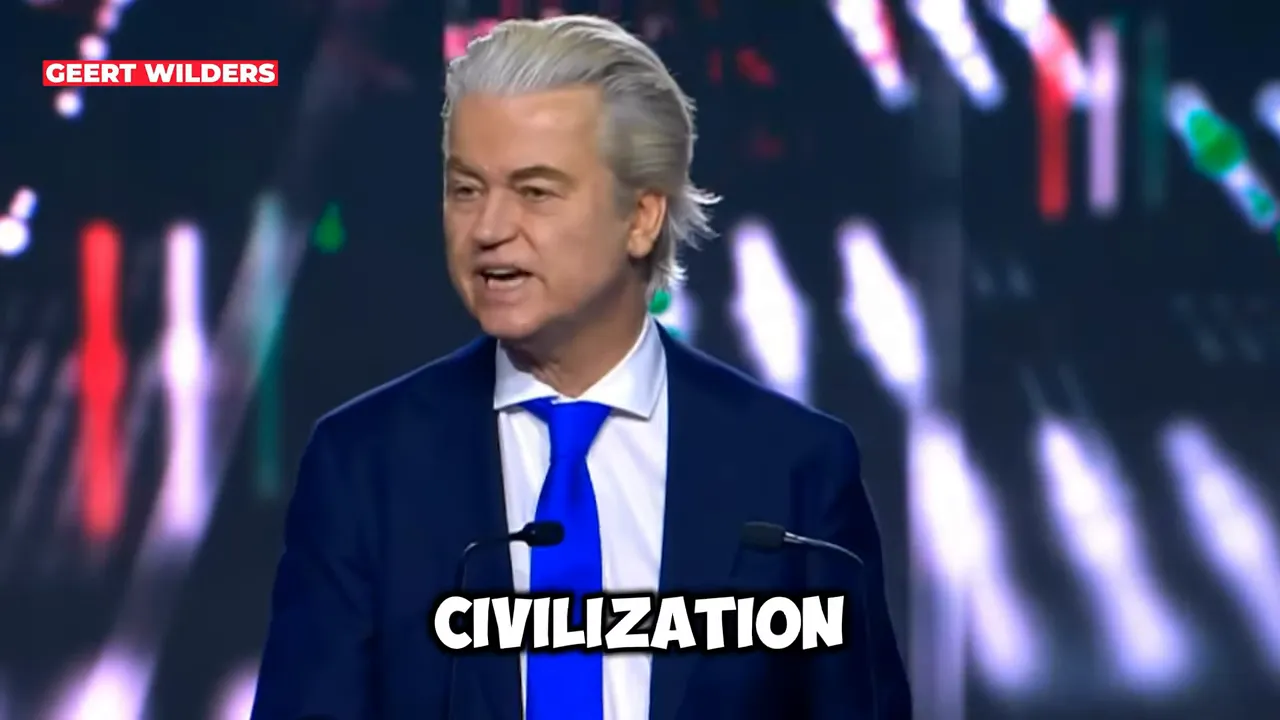
They also argue that Europe forgot the “Republican spirit” across many countries. The solution proposed is moral and civic: defending values through Christian values, restoring a foundation, and treating the future as something that requires ambition, not drift.
Pull Europe Out of Hell: A Sovereign, Strategic Partnership Model
The ending of the argument is a program. Europe’s task as pulling the continent “out of hell,” restoring meaning, restoring ambition, and leading Europe back to “the heights.”
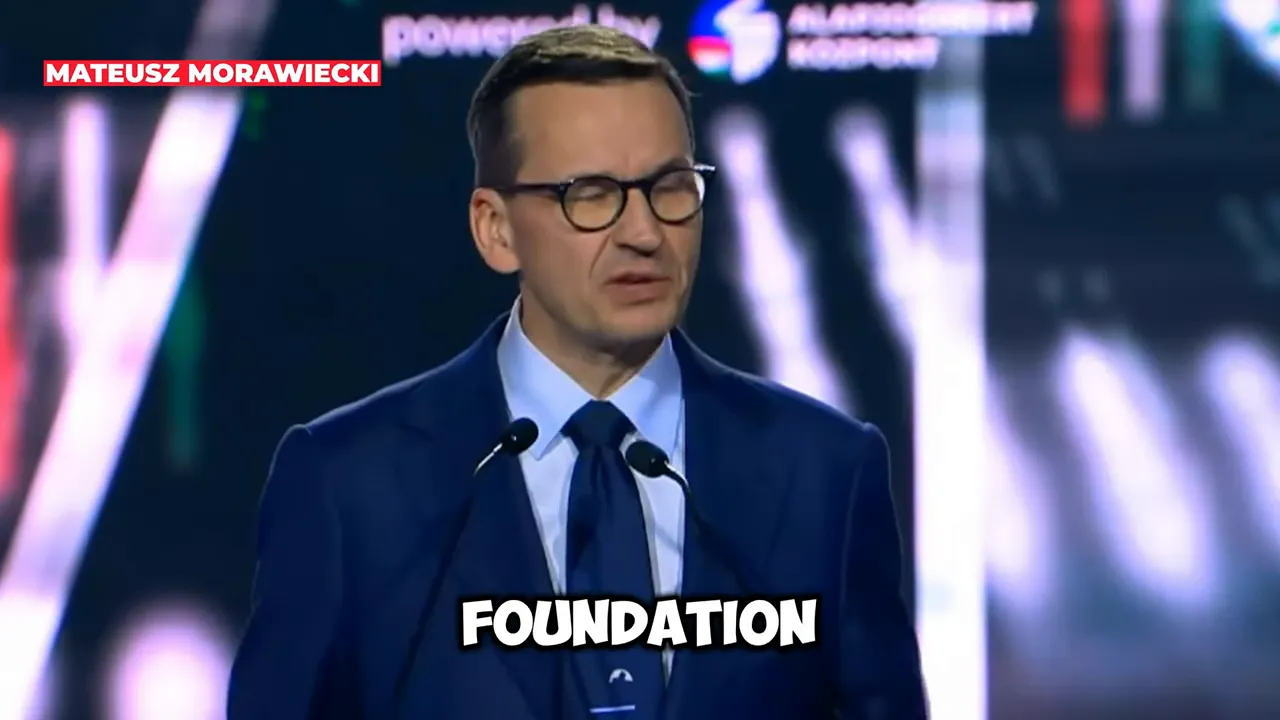
Then comes the institutional prescription. Europe should become a Europe of strategic partnership. It should again be a Europe of sovereign states. “Away with this centralized bureaucratic engine in Brussels,” the speaker argues, and replace forced uniformity with strategic alliances.
Different routes for different nations
The final principle is that countries and nations should be able to choose different routes. Instead of a single uniform system imposed from the center, the speaker’s model is decentralized decision-making where national interests can be pursued without being overridden by Brussels.
Whether a reader agrees or disagrees, the argument is meant to be understood as a coherent worldview: sovereignty, borders, heritage, free speech, and demographic and cultural stability are treated as connected issues. And the warning is that if Europe does not defend those connections, the future will not merely change. It will erase what people believe makes Europe Europe.

