

The warnings heard across Europe right now sound less like ordinary political disagreement and more like a struggle over identity, power, and the future direction of the continent. In one dominant line of argument, European critics claim that Brussels has stopped presenting itself as a “light” for freedom and has instead become a symbol of censorship and dictatorship.
From this perspective, the European Union is not merely debating policies. It is reshaping societies quickly, pushing elites and institutions ahead of national democratic choices, and doing so in ways that critics say cannot be “complied” with indefinitely. They warn that the pressure could even fracture the European Union itself.
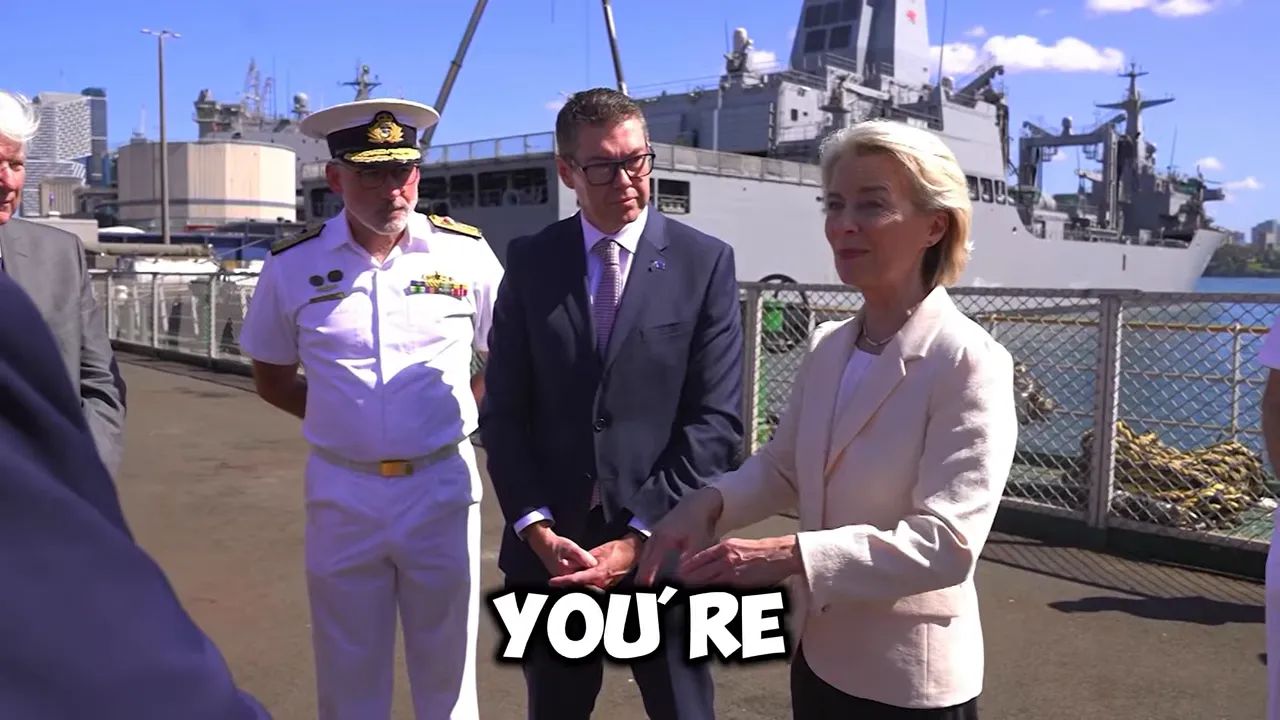
What does “being European” mean?
A recurring theme is the insistence that “European” is not just a passport label or a bureaucratic status. The argument goes deeper, framing Europe as the product of “thousands of years” of effort, hardship, and sacrifice, and emphasizing sovereign nation-states as the natural container for European life.
Critics also present Europe as a historically distinct civilization with specific foundations: Greek philosophy, Roman statecraft, and Christian tradition. They connect these roots to values like freedom of thought and speech, press freedom, and self-determination for both individuals and nations.
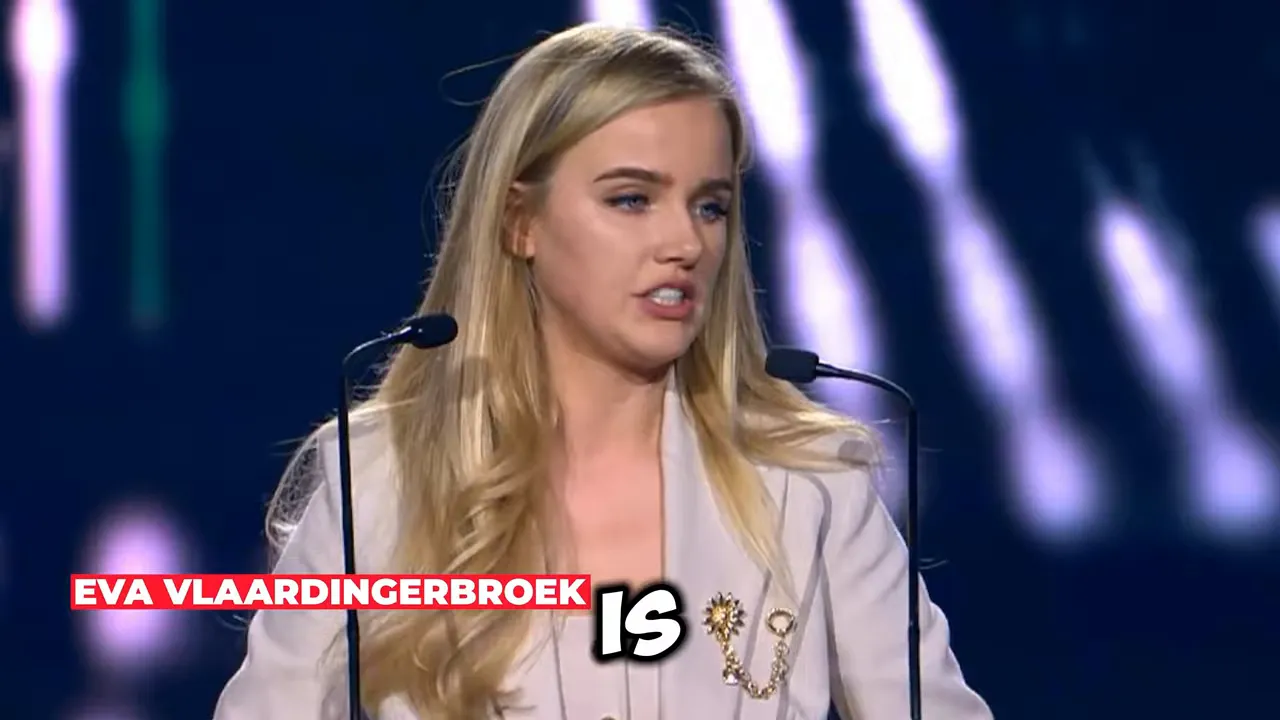
The three threats, as critics see them
When leaders and commentators who oppose current EU direction talk about Europe’s “breaking point,” they often group their concerns into three major threats. The pattern is consistent: demographic change, ideological control, and supranational federalism.
In their framing, Europe faces:
- Mass immigration and Islamization
- “Woke” ideology (often tied to censorship, political correctness, and gender ideology)
- Euro federalism (the centralization of power in Brussels and the weakening of national sovereignty)
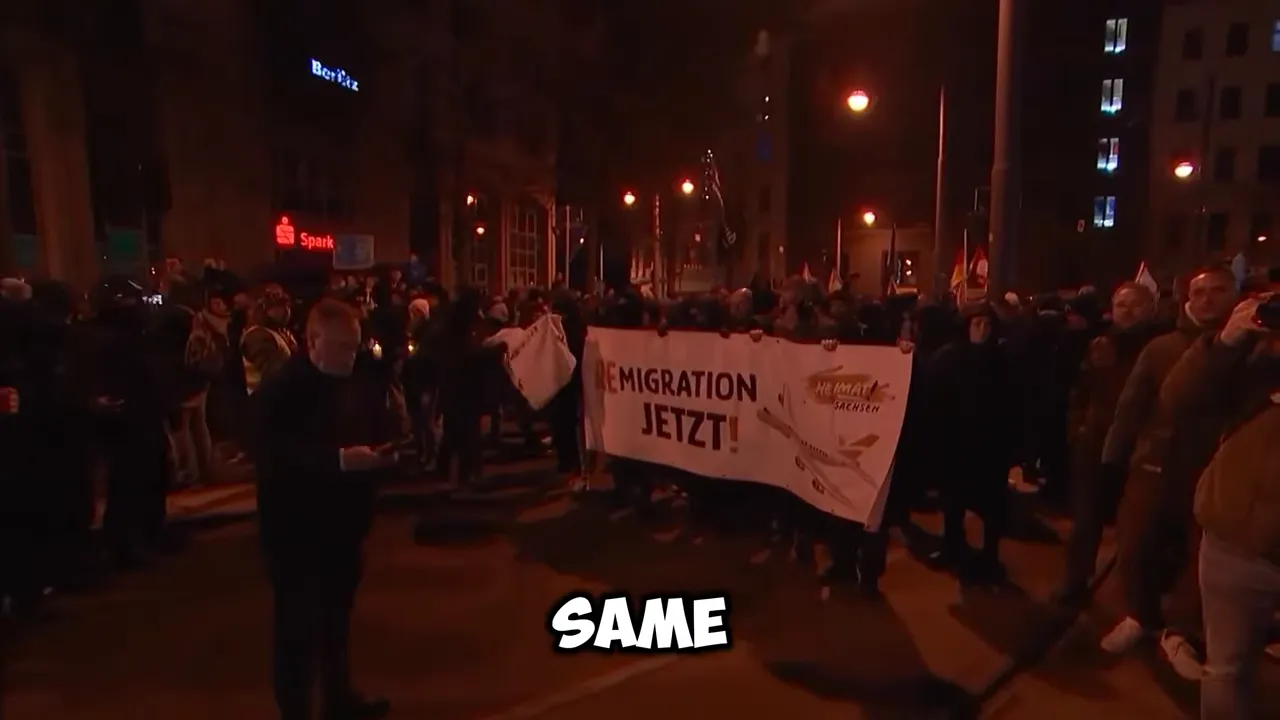
1) Immigration and Islamization
One of the sharpest claims is that Western Europe is becoming “unrecognizable,” with visible cultural and political shifts. Critics point to cities with headscarves, businesses catering to Islamic customers, and politicians seen as tailoring platforms to secure the “Muslim vote.”
They also describe intimidation of non-Muslims, rising antisemitism, and terrorism, while saying authorities are bowing to Islamic demands, including references to Sharia. The conclusion they draw is political and cultural: that migration is not just a social issue but a civilizational one.
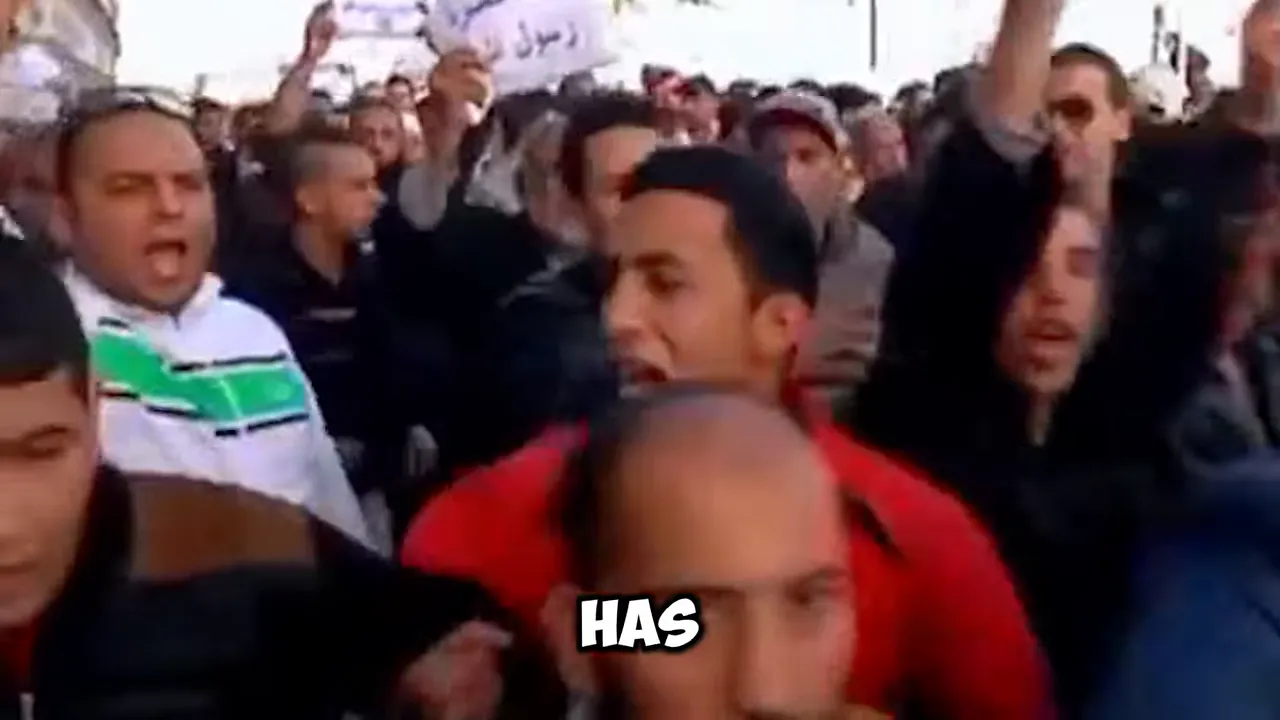
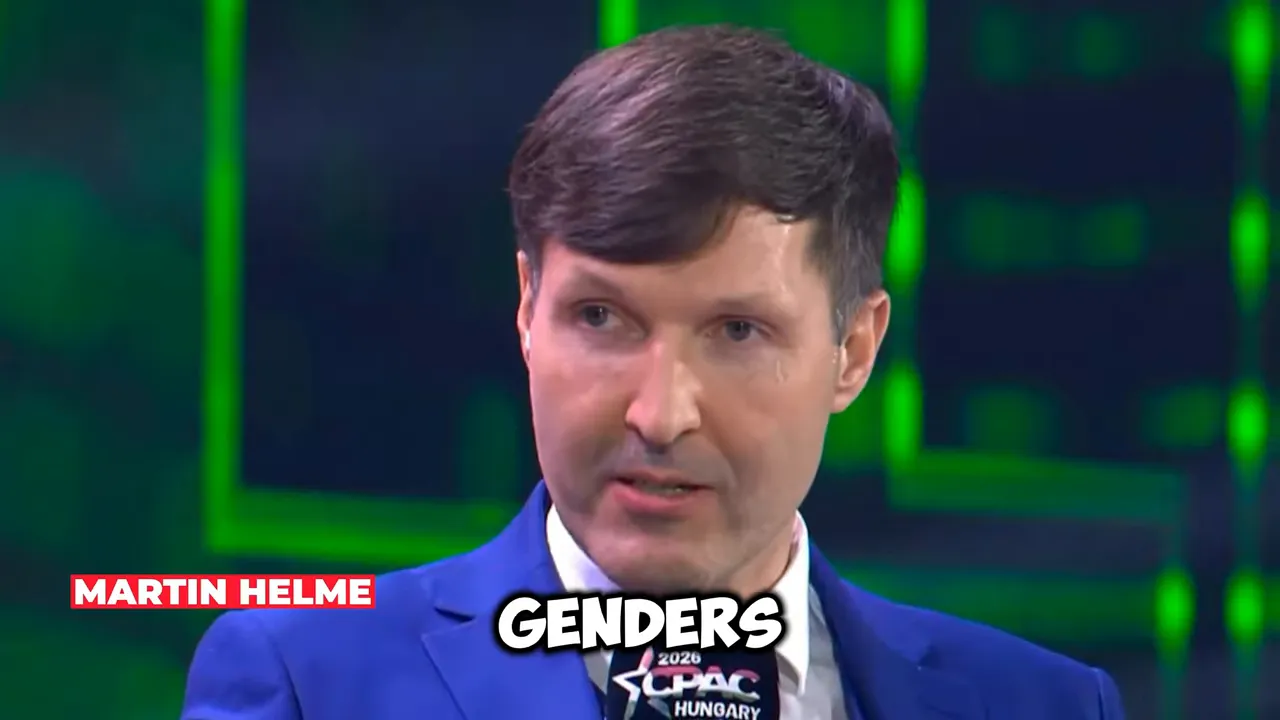
2) The “woke ideology” and political control
Another pillar of the critique targets what they describe as an ideological regime inside Europe’s institutions. In this view, “war ideology” becomes a kind of new religion in EU bodies, linked to political correctness and censorship. The argument is that mainstream debate is narrowing, with dissenters portrayed as extremists.
Critics claim that even basic disagreements are treated as unacceptable. They cite examples such as disputes about gender, and they argue that EU officials and parliamentary actors push a cultural agenda while trying to manage electoral outcomes in countries where they are not in direct power.
3) Euro federalism and Brussels power
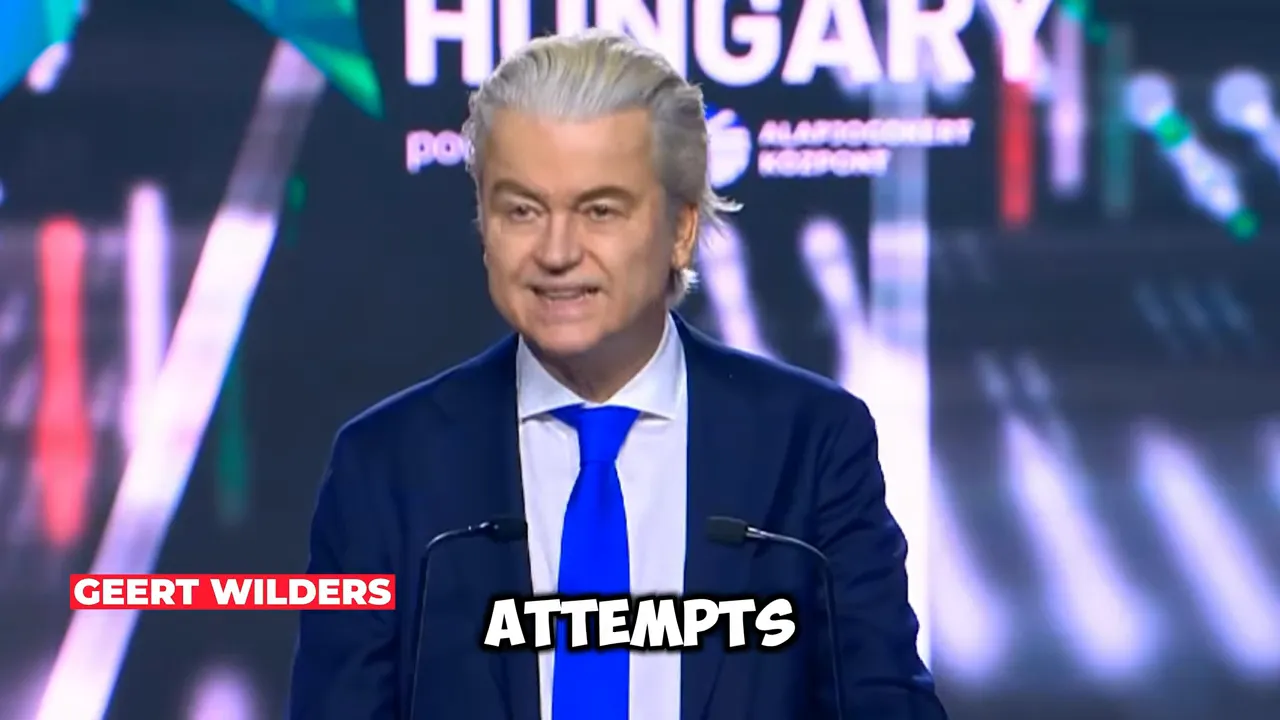
Perhaps the most strategic concern is the movement toward centralized EU governance. Critics describe Brussels as “unelected bureaucrats” who think they know better than ordinary citizens. When they do not align with Brussels, they say Brussels attempts to silence or restrict opposition.
This is where the political language becomes especially severe. Some conclude that the EU model risks becoming a “Soviet Union 2.0,” meaning not only a loss of autonomy, but a transformation of democratic practice itself.
War, violence, and “unfreedom”
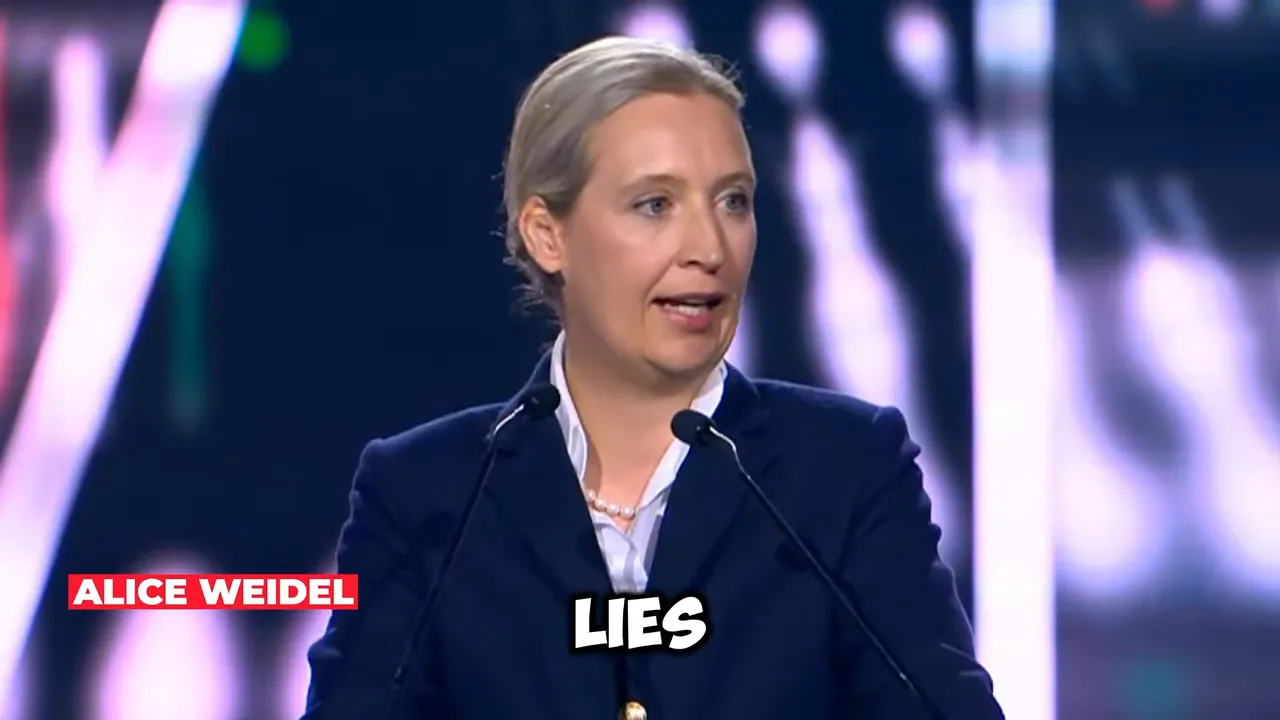
In the alarm language used by critics, the threats are not contained to culture and policy debates. They also frame Europe’s situation as tied to broader instability: war, violence, “lies,” and unfreedom. The message is that the current direction of travel is endangering homes, families, and nations.
They argue that the world is changing faster than anyone expected and that Europe has become vulnerable, even “a paper tiger.” Within that framing, some blame not only external pressures but also internal actors, claiming “those who seek to destroy our civilization” may already be “inside our gate.”
The Green Deal and the economy: “Europe paid, China produced”
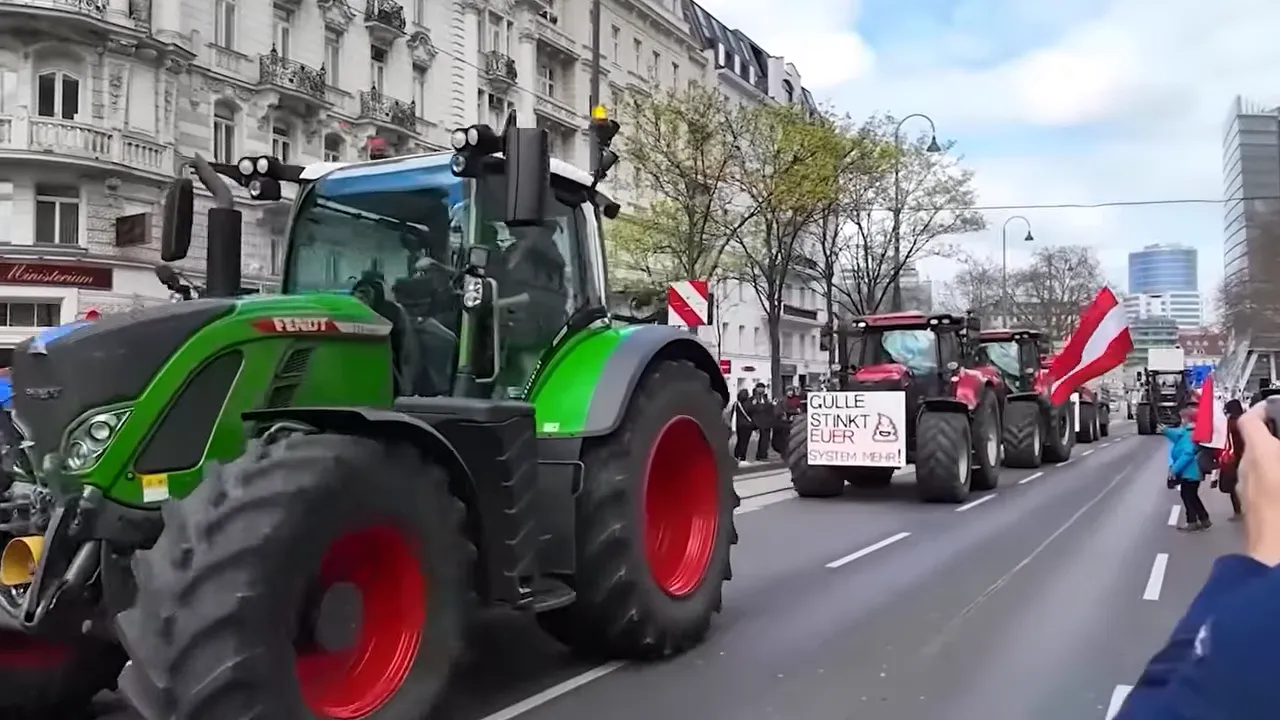
Beyond migration and identity, the critics also target EU economic direction. A major example raised is the Green Deal, described as pushing industry out of Europe. The claim is that the EU is pursuing climate and industrial policies while undermining its own manufacturing base.
The argument centers on dependency: European taxpayers supposedly funded major industrial initiatives, but the resulting industries were built elsewhere. Electric vehicles, batteries, wind turbines, and solar panels are described as dominated by China, with critics highlighting that a very large share of solar panel production comes from China.
From sovereignty to industry
What matters to these critics is the combination of economic and political control. They argue that a continent that gives away decision-making also ends up importing solutions rather than producing them. The Green Deal critique, in other words, becomes a sovereignty critique.
It is also presented as a governance failure: when policy is set from above, the costs and consequences are absorbed locally, while the benefits and production shift to competitors.
The case for national sovereignty and “normal” politics
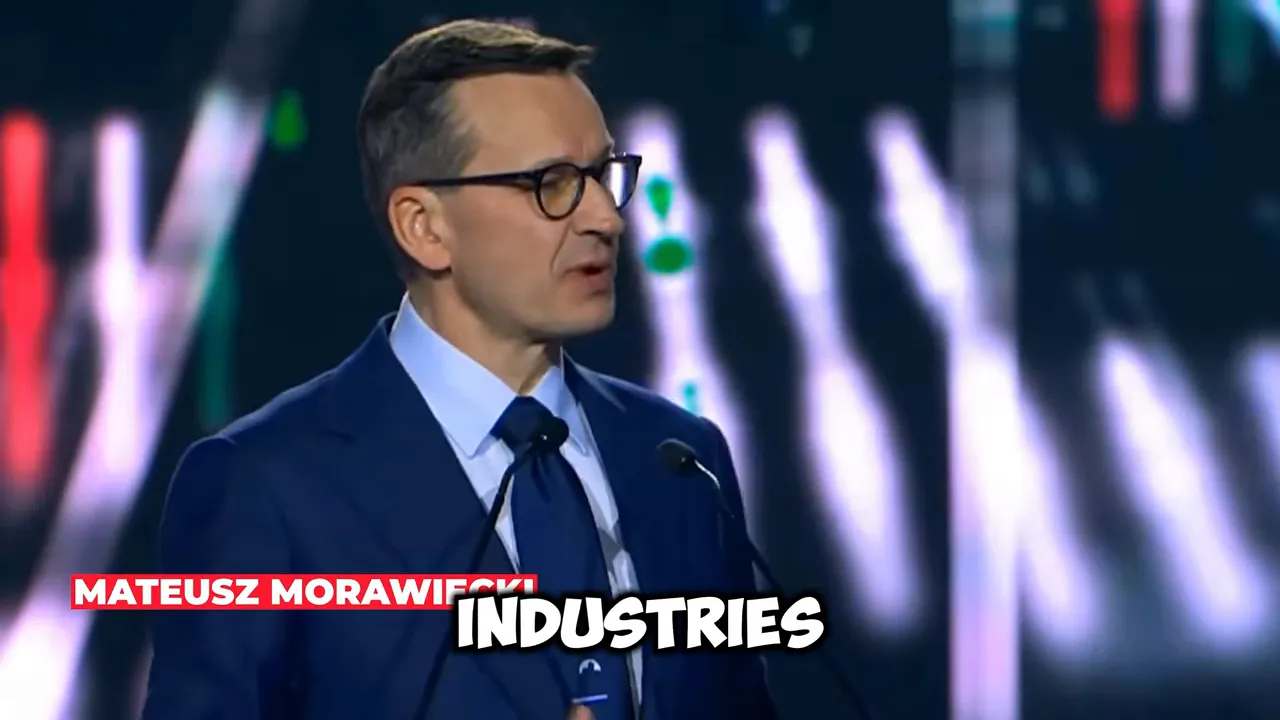
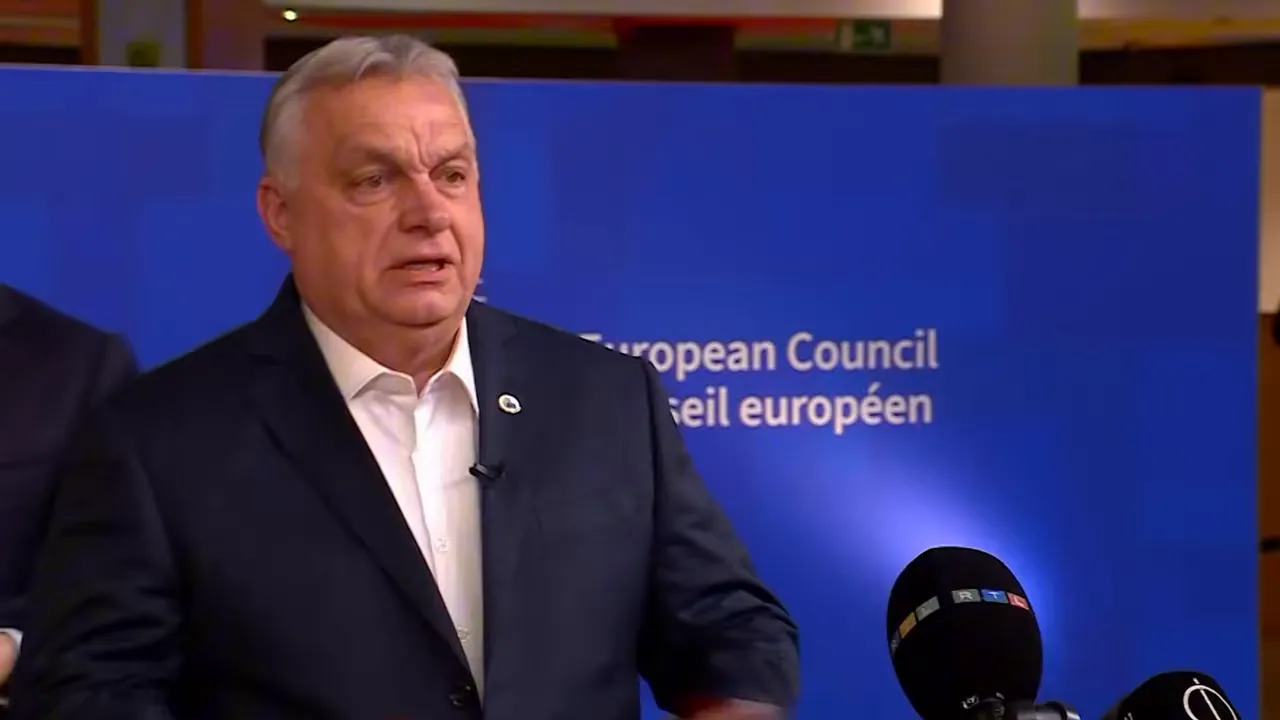
Despite the intense rhetoric, the political claim offered is specific: conservatives and right-wing forces should prevail, and Europe should return to more “normal” democratic practice rather than what critics describe as ideological rule from Brussels.
Critics suggest that current EU direction is being driven by far-left ideology in almost every country, with a notable exception they often cite. They also argue that Brussels itself is the radical engine behind many decisions.
Europe, heritage, and the argument about “ethnic majority”
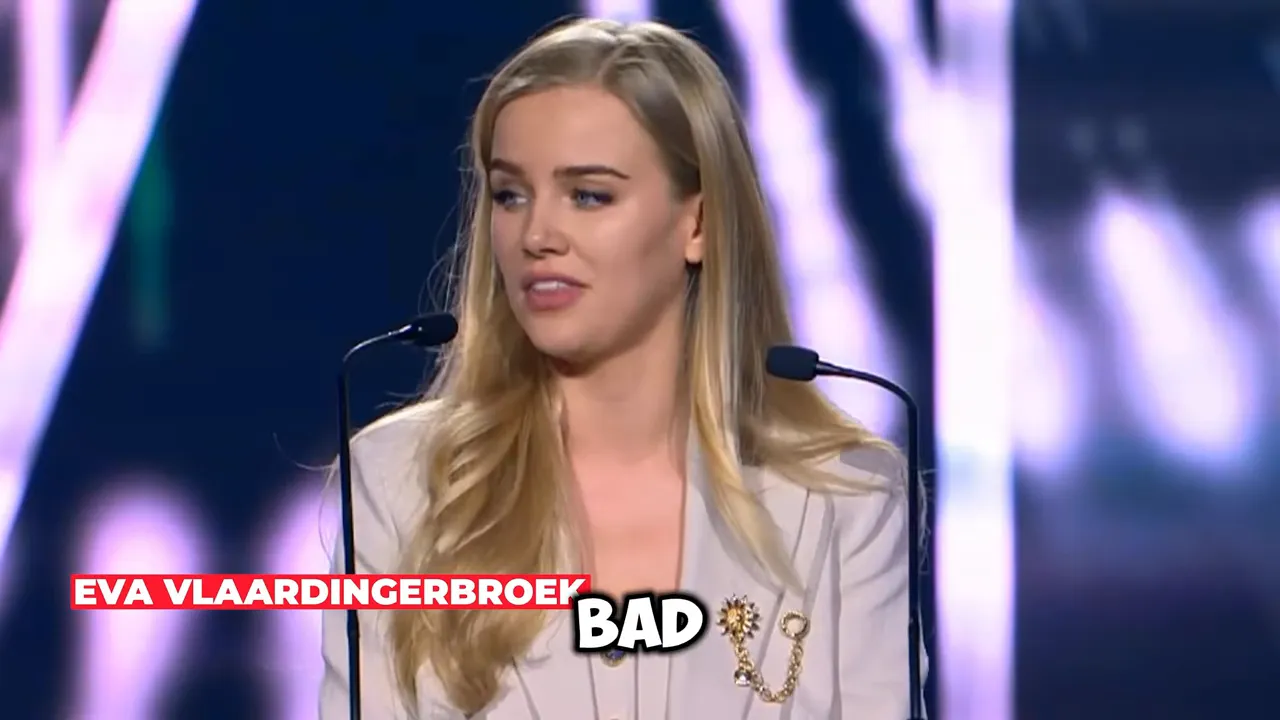
One of the most controversial portions of the critique is the claim that Europe’s heritage should be openly acknowledged and defended, including statements about Europe being “essentially entirely white” and about the right of the ethnic majority to remain in their homelands.
In this view, denying heritage or treating it as immoral leads to disappearing populations and disappearing nations. Critics argue that Europe is not a blank slate and that social life is not simply a set of constructs determined by elites. They present identity as historical, not negotiable.
So what happens next?
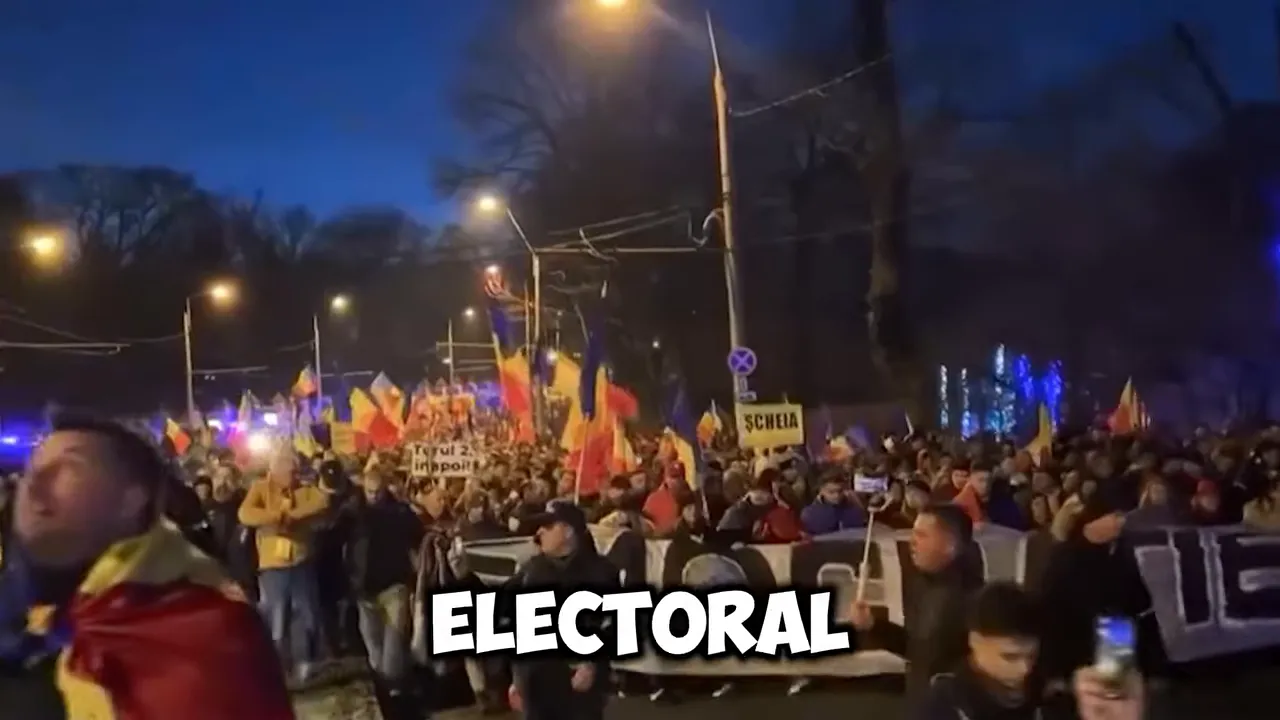
For critics, the future is a crossroads: continuing the current trajectory could mean Europe becomes a “second kind of Iran,” or something closer to authoritarian federalism. They also argue that if Brussels continues to push beyond what citizens accept, the EU could break apart.
Their proposed alternative is more national control, stricter migration policy, and a cultural and ideological shift away from what they describe as “woke” politics and censorship. The central question they raise is whether Europe will choose to defend its civilization or allow it to be reshaped by decisions made “from above.”
Key takeaways
- Identity is central: “European” is framed as heritage and civilization, not just citizenship documents.
- Three threats are emphasized: immigration and Islamization, “woke” ideology, and Euro federalism.
- Brussels power is contested: critics say unelected institutions override democratic choice and intensify censorship.
- Economic policy is part of the sovereignty fight: the Green Deal critique highlights dependency and industrial relocation.
- The stakes are framed as existential: critics argue Europe is at a breaking point where institutional breakdown or transformation is possible.

