

The question of whether the European Union should list the Islamic Revolutionary Guard Corps (IRGC) as a terrorist organization combines legal, diplomatic, human-rights, security, and economic considerations. This article explains what such a designation would involve, why some member states hesitate, what the likely consequences would be, and what alternatives exist.
Readers seeking a clear, practical overview will find concise explanations of the EU decision-making process, the immediate and long-term impacts of designation, common objections, and a short checklist for policymakers and civil society actors.
What is the IRGC and why does it matter?
The Islamic Revolutionary Guard Corps is a branch of Iran’s armed forces with political, economic, and military roles inside Iran and across the Middle East. It is widely described as a central instrument of Tehran’s security policy and regional influence.
Designation debates matter because listing a body as a terrorist organization triggers targeted sanctions, travel and financial restrictions, and greater law-enforcement cooperation — all of which reshape diplomatic relations and can affect private-sector exposure and humanitarian channels.
How the EU lists groups as terrorist organizations
At the EU level, listing measures are created and enforced under the Common Foreign and Security Policy. The Council typically adopts restrictive measures that can include asset freezes, travel bans, and arms embargoes. Decisions require a clear legal basis, documented evidence, and political agreement among member states.
Designation is supported by legal instruments and can be challenged in EU courts. That means authorities must prepare robust documentation showing how a group meets criteria for terrorist designation without violating procedural safeguards or damaging legitimate channels for diplomacy or humanitarian action.
Which countries have already designated the IRGC?
Several nations have imposed formal restrictions against the IRGC or associated entities. Notably, the United States designated the IRGC as a foreign terrorist organization in 2019. Other governments and regional partners have implemented sanctions or targeted measures against IRGC-linked individuals and units.
International divergence in designation policies is important because it shapes alliance coordination, intelligence-sharing, and legal precedent — all factors that EU diplomats weigh when considering an EU-wide listing.
Why some EU member states resist an EU-wide designation
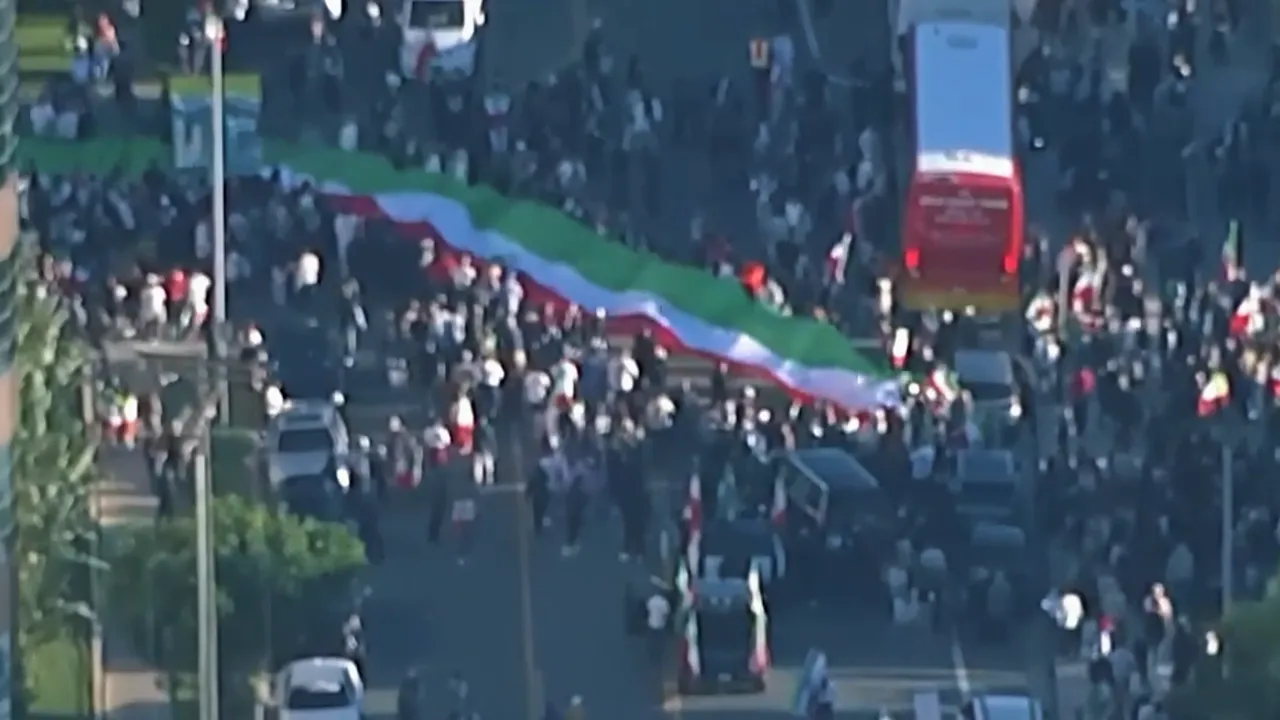
Resistance among member states commonly rests on several practical and political concerns: legal threshold and evidentiary standards, fear of escalation or reprisals, economic and energy ties, and the desire to keep diplomatic channels open for consular protection and negotiations.
Some governments also worry about secondary effects: disruption of humanitarian relief, exposure of European students or researchers to reprisals, and the diplomatic cost of closing or downgrading missions on European soil.
Legal and procedural objections
Legal objections often focus on whether a military or state-affiliated body can be treated like a non-state terrorist organization, and whether existing evidence meets EU legal standards. Courts in some jurisdictions have already considered related issues, and those rulings feed national caution.
Because an EU listing can be litigated, member states that emphasize legal certainty demand airtight documentation and clear links between listed activity and terrorist conduct to limit the risk of annulment by courts.
Geopolitical and economic considerations
Energy dependence, trade relationships, hostages or detained nationals, and the potential for regional escalation weigh heavily in capitals. Policymakers balance the moral and security rationale for designation against possible retaliation, attacks on diaspora communities, or interruption of critical imports.
For some states, the calculation includes whether designation would close off valuable diplomatic backchannels that might be required for conflict de-escalation or consular access.
Potential benefits of listing the IRGC
Key benefits include restricting the IRGC’s access to finance, deterring third-party support, enabling prosecutions or asset freezes, and signaling firm political support for victims of repression. A unified European position could also strengthen coordination with like-minded allies.
Designation can raise the reputational cost for private actors who trade or invest with listed entities, increasing pressure on financial institutions to cut risky exposures and making enforcement action more straightforward.
Risks and downsides to consider
Risks include escalation of diplomatic or proxy retaliation, closure of negotiation channels, harm to civilians through broader sanctions effects, and legal challenges that could delay enforcement. There is also a reputational risk if action appears selective or inconsistent with other foreign-policy responses.
Additionally, designation could complicate EU efforts that rely on pragmatic interactions with Tehran — for example, on nuclear non-proliferation, regional deconfliction, or the release of detained nationals.
Alternatives and complementary steps short of listing
If member states cannot agree on an EU-wide listing, there are effective intermediate measures: targeted individual sanctions, asset freezes, sanctions against IRGC-linked commercial networks, travel bans on specific commanders, and enhanced monitoring of dual-use exports.
Other options include symmetric diplomatic pressure (reciprocal expulsions or downgrades), increased humanitarian and civil-society support to victims, independent investigations into alleged abuses, and tighter enforcement of existing sanctions to close loopholes.
Practical checklist for policymakers
- Compile and publish robust, evidence-based dossiers linking individuals and entities to illicit activity.
- Coordinate with allied partners to harmonize measures and share intelligence.
- Assess economic exposure and prepare mitigation measures for affected sectors and civilians.
- Create legal contingency plans for likely court challenges and judicial reviews.
- Design targeted humanitarian exceptions to prevent unintended suffering.
- Establish a timeline and transparency plan so member states and the public can track progress.
What civil society and citizens can do
Civil-society groups and citizens can push for transparent investigations, demand parliamentary oversight, support independent reporting on abuses, and advocate for precision in sanctions design to protect civilians. Public pressure can change the political calculations in capitals.
Monitoring compliance, supporting victims with legal and humanitarian aid, and fostering cross-border coalitions of NGOs increase leverage and help ensure that measures are both effective and rights-respecting.
Common pitfalls and misconceptions
- Mistaking symbolic action for practical impact. A label alone is not a substitute for enforcement and follow-through.
- Assuming unanimity equals unanimity of purpose. Member states may agree to sanctions without endorsing every political framing that accompanies them.
- Overlooking legal safeguards. Poorly founded listings risk being overturned, which can weaken future measures.
- Ignoring humanitarian consequences. Sanctions must include carve-outs for medical and essential goods to avoid harming vulnerable populations.
Bottom line — balancing law, security, and diplomacy
Designating the IRGC as a terrorist organization at EU level would be a consequential policy with concrete enforcement tools. It can strengthen accountability and align Europe with some allied measures, but it carries legal, diplomatic, and humanitarian risks that explain member-state caution.
Effective policy requires combining legal rigor, targeted enforcement, protections for civilians, and coordination with allies. Whether the EU proceeds depends on political will, credible evidence, and a strategy for managing the predictable consequences of a major foreign-policy step.

